
The automotive industry is undergoing a profound transformation driven by digitalization, fundamentally altering how vehicles are designed, manufactured, operated, and experienced by drivers and passengers. Historically, automobiles were purely mechanical systems, supplemented gradually with electronic control units (ECUs) to manage engine performance, braking, and other core functions. Over the last two decades, however, digital technologies have evolved to play an increasingly central role, redefining the very concept of mobility. Today, a modern vehicle is not merely a mode of transportation; it is a complex, interconnected digital ecosystem capable of real-time communication with external networks, infrastructure, and other vehicles.
Digitalization in the automotive sector encompasses a broad spectrum of technologies, ranging from in-car infotainment systems and telematics to advanced driver assistance systems (ADAS) and fully integrated 5G connectivity. At the core of this transformation is the convergence of traditional automotive engineering with information technology, telecommunications, and artificial intelligence. This convergence has enabled vehicles to collect, process, and transmit massive volumes of data, leading to enhanced safety, improved efficiency, and a more personalized user experience. Moreover, it is creating entirely new business models for manufacturers, mobility providers, and software developers alike.
The evolution of in-car digital systems began with relatively simple enhancements such as AM/FM radios and CD players, later progressing to GPS navigation systems. Over time, these systems integrated more sophisticated functions such as touchscreen interfaces, voice recognition, smartphone connectivity, and cloud-based services. Infotainment systems, once considered a luxury feature, are now expected by consumers as a standard component of modern vehicles. Beyond entertainment, these systems serve as central hubs for controlling vehicle functions, accessing real-time information, and connecting to broader mobility services.
Telematics has emerged as a complementary technology, allowing vehicles to transmit and receive data over networks. By enabling real-time monitoring of vehicle health, driver behavior, traffic conditions, and environmental factors, telematics supports predictive maintenance, operational efficiency, and safety improvements. The integration of telematics with cloud computing and machine learning further enhances the ability of vehicles to make intelligent decisions autonomously or semi-autonomously.
A critical aspect of automotive digitalization is connectivity. The deployment of 4G LTE networks laid the groundwork for connected vehicles, while the advent of 5G technology promises to unlock unprecedented capabilities. Low-latency, high-bandwidth communication networks allow for instantaneous interaction between vehicles, infrastructure, and centralized data platforms. This connectivity is foundational for next-generation services, including vehicle-to-everything (V2X) communication, real-time navigation updates, remote software updates, and the seamless integration of vehicles into smart city ecosystems.
Digitalization also introduces challenges, most notably in cybersecurity and data privacy. As vehicles become more connected, they are exposed to potential vulnerabilities that could compromise safety and personal information. The automotive industry must therefore implement rigorous security standards, encryption protocols, and continuous monitoring systems to mitigate risks while ensuring compliance with regional regulations such as GDPR in Europe or NHTSA guidelines in the United States.
In conclusion, the digital transformation of the automotive sector represents a paradigm shift with far-reaching implications. It is not merely an enhancement of vehicle features; it is a redefinition of mobility itself. From the earliest infotainment systems to the emerging 5G-connected, autonomous vehicles, digital technologies are reshaping how vehicles interact with drivers, passengers, other vehicles, and the surrounding environment. This article will explore these developments in detail, analyzing the evolution of in-car infotainment, telematics, ADAS, 5G connectivity, and the challenges of cybersecurity, while providing insight into the future trajectory of connected vehicles.
Evolution of In-Car Infotainment Systems
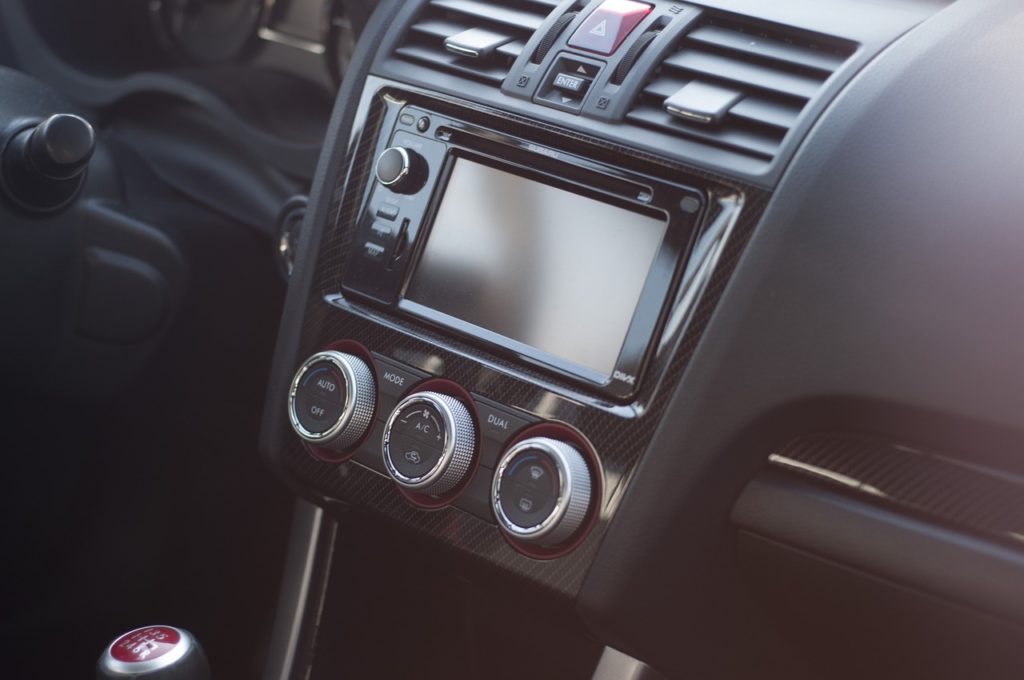
In-car infotainment systems have become one of the most visible and impactful aspects of automotive digitalization. Initially conceived as simple entertainment devices, these systems have evolved into comprehensive digital platforms that integrate entertainment, navigation, communication, and vehicle management functions. This evolution reflects broader trends in technology, consumer expectations, and connectivity, transforming the driving experience into a sophisticated, interactive, and highly personalized ecosystem.
Early Infotainment Systems
The genesis of infotainment systems can be traced back to the mid-20th century when radios and later cassette players became standard features in vehicles. These early systems were limited in functionality, offering primarily audio entertainment without interaction or integration with other vehicle systems. The introduction of CD players in the 1980s represented a technological step forward, but the fundamental experience remained passive. Drivers and passengers could listen to music but had little control over content selection, personalization, or integration with other information sources.
The late 1990s and early 2000s marked the first major leap toward digital infotainment. GPS navigation systems were introduced, providing drivers with route guidance and basic traffic information. These systems, while revolutionary at the time, were standalone devices that offered limited connectivity. Their primary function was to enhance convenience and reduce travel time, but they were not yet integrated into broader vehicle ecosystems.
Modern Infotainment Systems
The last decade has witnessed an unprecedented expansion of infotainment capabilities. Modern systems now combine touchscreen interfaces, voice recognition, smartphone integration, and cloud connectivity, creating a seamless user experience that extends far beyond basic navigation and entertainment. Touchscreen displays have become standard, offering intuitive control of media, climate settings, and vehicle functions. Voice assistants, powered by artificial intelligence, allow drivers to perform tasks hands-free, such as adjusting the temperature, setting destinations, or sending messages, thereby enhancing safety by reducing distractions.
Smartphone integration through platforms such as Apple CarPlay and Android Auto has transformed vehicles into extensions of users’ digital lives. Drivers can access apps, streaming services, contacts, and navigation tools directly from the vehicle interface, with synchronization to personal devices. This connectivity not only improves convenience but also facilitates real-time updates, such as live traffic conditions, weather alerts, and emergency notifications.
Cloud-based services have further expanded the potential of infotainment systems. Over-the-air (OTA) updates allow manufacturers to enhance system functionality without requiring physical service visits. Users can benefit from software improvements, new features, and security patches seamlessly. Moreover, cloud integration enables predictive analytics, personalized recommendations, and remote diagnostics, connecting the vehicle to broader mobility services and smart city infrastructure.
Integration with Vehicle Systems
Modern infotainment systems are no longer isolated components; they are central nodes in an increasingly interconnected vehicle architecture. They communicate with other digital systems, including telematics, ADAS, and engine management units, to provide integrated insights and control. For instance, infotainment platforms can display predictive maintenance alerts based on telematics data or offer route optimization based on real-time traffic information. This integration enhances the driving experience while improving efficiency, safety, and convenience.
The evolution of infotainment has also been influenced by consumer expectations for personalization. Systems now offer customizable interfaces, profiles for multiple drivers, and adaptive features that learn user preferences over time. These capabilities are powered by AI algorithms that analyze usage patterns, habits, and environmental data to deliver tailored recommendations and experiences.
Case Studies and Industry Examples
Leading automotive manufacturers have embraced infotainment innovation as a strategic differentiator. Tesla’s centralized touchscreen interface, Mercedes-Benz’s MBUX system, and BMW’s iDrive platform illustrate the range of approaches and technological sophistication in the market. These systems demonstrate the potential of infotainment to act as both a functional tool and a brand-defining experience, blending usability, performance, and digital aesthetics.
In conclusion, the evolution of in-car infotainment systems reflects the broader trajectory of digitalization in the automotive industry. From simple radios to intelligent, interconnected platforms, these systems have become essential to modern vehicles, driving innovation in user experience, connectivity, and vehicle integration. As vehicles continue to digitalize, infotainment systems will play an increasingly central role in shaping the interface between drivers, passengers, and the broader mobility ecosystem.
Telematics and Vehicle Networking
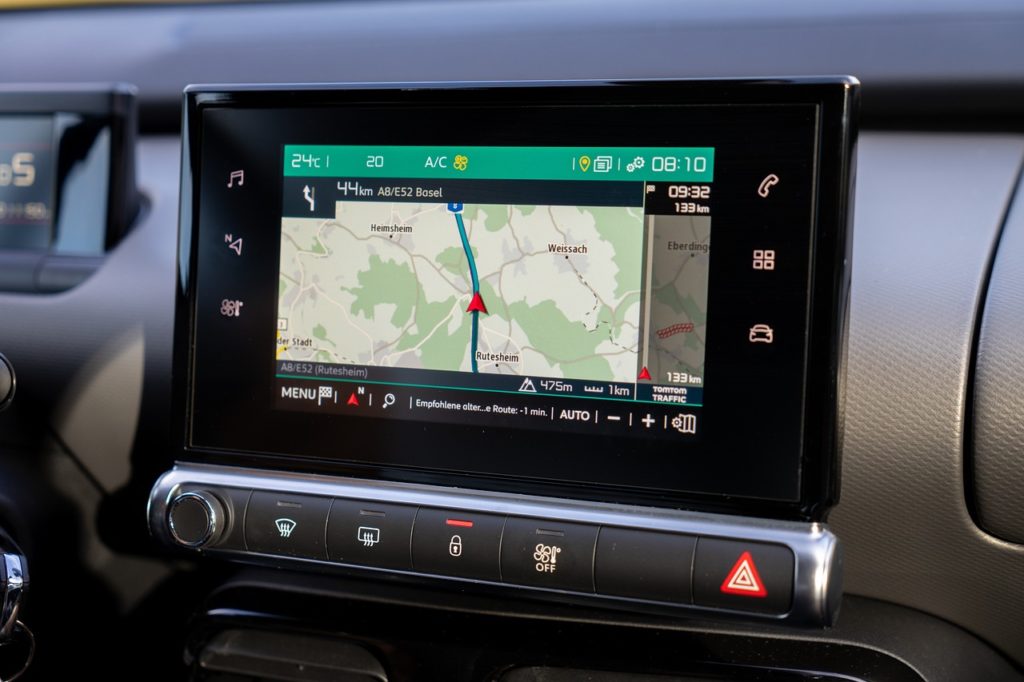
Telematics represents a fundamental pillar of automotive digitalization, enabling vehicles to communicate with networks, other vehicles, and infrastructure in real-time. Unlike infotainment systems, which primarily enhance user experience, telematics focuses on operational efficiency, safety, and data-driven insights. The integration of telematics and networking technologies has transformed vehicles into intelligent, interconnected systems capable of proactive decision-making and continuous adaptation to environmental and operational conditions.
Definition and Core Functions
Telematics combines telecommunications, informatics, and electronics to manage vehicle data and communications. Its primary functions include tracking vehicle location, monitoring operational performance, assessing driver behavior, and enabling predictive maintenance. Data is collected through a network of sensors, GPS modules, and onboard diagnostics (OBD) systems, then transmitted via cellular, satellite, or radio networks to centralized platforms for analysis.
The applications of telematics extend across multiple domains. In fleet management, telematics enables real-time tracking of vehicles, route optimization, fuel efficiency monitoring, and maintenance scheduling. Individual drivers benefit from features such as emergency assistance, stolen vehicle recovery, and personalized driving feedback. Insurance companies increasingly rely on telematics for usage-based insurance (UBI), leveraging driver behavior data to determine premiums and promote safer driving habits.
Vehicle-to-Vehicle (V2V) and Vehicle-to-Infrastructure (V2I) Communication
Vehicle networking has expanded beyond telematics to include vehicle-to-vehicle (V2V) and vehicle-to-infrastructure (V2I) communication. V2V communication allows vehicles to share information about speed, location, and trajectory, providing critical inputs for collision avoidance, cooperative adaptive cruise control, and traffic flow optimization. V2I communication connects vehicles with traffic signals, road signs, and other infrastructure elements, enabling real-time adjustments to driving strategies and enhancing traffic management.
These communication systems rely on standardized protocols such as Dedicated Short-Range Communication (DSRC) and Cellular Vehicle-to-Everything (C-V2X). The convergence of these technologies with telematics allows vehicles to operate as nodes within a larger intelligent transportation network, contributing to safer, more efficient, and environmentally sustainable mobility.
Impact on Safety and Autonomous Driving
Telematics and networking technologies are pivotal in advancing vehicle safety. By continuously monitoring vehicle status and environmental conditions, telematics systems can detect potential hazards and alert drivers in real-time. In combination with ADAS, telematics enables semi-autonomous and fully autonomous driving functionalities. For example, predictive braking systems, lane-keeping assistance, and adaptive cruise control all depend on data collected and transmitted through telematics networks.
Moreover, telematics facilitates predictive maintenance by analyzing vehicle usage patterns, engine performance, and component health. This proactive approach reduces the likelihood of mechanical failures, minimizes downtime, and optimizes repair scheduling. For commercial fleets, predictive maintenance translates into significant cost savings and operational efficiency improvements.
Telematics Solutions in Practice
Several automotive manufacturers and technology providers have developed robust telematics platforms. General Motors’ OnStar service, Ford’s SYNC Connect, and Volvo’s Care by Volvo system illustrate how telematics can integrate diagnostics, safety, and connectivity into a unified user experience. Cloud computing, AI algorithms, and machine learning enhance these platforms, enabling real-time decision-making, predictive analytics, and personalized services.
Challenges and Considerations
Despite its advantages, telematics presents challenges in terms of data security, privacy, and network reliability. Vehicles collect and transmit sensitive information, including location, driving habits, and personal preferences, which must be protected against cyber threats. Network reliability is also critical, particularly for safety-critical applications such as collision avoidance and emergency response. Ensuring consistent, low-latency communication requires investment in infrastructure and adherence to evolving standards and regulations.
Telematics and vehicle networking represent the backbone of digitalized, connected mobility. By enabling real-time data exchange, predictive analytics, and integrated communication with other vehicles and infrastructure, these technologies enhance safety, efficiency, and convenience. As connectivity evolves, particularly with the advent of 5G networks, telematics will become increasingly sophisticated, supporting autonomous driving, smart traffic management, and a seamless integration of vehicles into broader intelligent transportation systems.
Advanced Driver Assistance Systems (ADAS) and Digital Integration
Advanced Driver Assistance Systems (ADAS) represent a cornerstone of automotive digitalization, bridging the gap between traditional human-driven vehicles and fully autonomous mobility. These systems integrate an array of sensors, algorithms, and networking technologies to enhance vehicle safety, improve driving efficiency, and reduce human error. In recent years, ADAS has evolved from optional luxury features into mainstream components of modern vehicles, reflecting the industry’s commitment to intelligent, connected, and automated transportation.
Overview of ADAS Technologies
ADAS encompasses a wide spectrum of technologies designed to assist drivers in both routine and critical driving scenarios. Common features include lane departure warning (LDW), lane keeping assistance (LKA), adaptive cruise control (ACC), blind-spot monitoring (BSM), automatic emergency braking (AEB), and traffic sign recognition (TSR). Each system employs specialized sensors such as radar, lidar, ultrasonic sensors, and cameras to monitor the vehicle’s surroundings in real-time.
- Lane Departure Warning and Lane Keeping Assistance: LDW alerts drivers when the vehicle unintentionally drifts out of its lane, while LKA actively adjusts steering to maintain lane position. These systems rely on high-resolution cameras and lane-detection algorithms.
- Adaptive Cruise Control: ACC automatically adjusts the vehicle’s speed to maintain a safe distance from the preceding vehicle, combining radar, lidar, and predictive algorithms to account for traffic flow.
- Automatic Emergency Braking: AEB detects potential collisions and automatically applies braking to prevent or mitigate accidents. This function integrates radar, camera data, and vehicle dynamics models to calculate optimal braking force.
- Blind-Spot Monitoring: BSM uses side-mounted radar sensors to detect vehicles in adjacent lanes, providing visual or auditory alerts to prevent unsafe lane changes.
Collectively, these systems enhance situational awareness, reduce driver fatigue, and mitigate risks associated with human error, which remains a leading cause of traffic accidents worldwide.
Role of Sensors and Digital Integration
The effectiveness of ADAS relies heavily on the seamless integration of multiple sensors and digital processing units. Radar sensors detect objects at varying distances and velocities, lidar provides precise 3D mapping of the vehicle’s environment, cameras capture visual information for object recognition and lane detection, and ultrasonic sensors monitor close-range obstacles. These data streams are processed in real-time by onboard electronic control units (ECUs) or dedicated ADAS processors, which interpret environmental data and determine appropriate vehicle responses.
Integration with other vehicle systems, such as infotainment and telematics, allows ADAS to communicate with the driver more effectively. For instance, alerts generated by ADAS can be displayed on the infotainment touchscreen or conveyed through auditory cues. Additionally, telematics systems can record ADAS performance and vehicle behavior data, which can be used for predictive maintenance, driver behavior analysis, and future software improvements.
Regulatory and Safety Considerations
As ADAS technologies become increasingly sophisticated, regulatory oversight has intensified to ensure safety and reliability. Agencies such as the National Highway Traffic Safety Administration (NHTSA) in the United States and the European New Car Assessment Programme (Euro NCAP) evaluate and certify ADAS features, setting benchmarks for performance, consistency, and reliability. Manufacturers must adhere to strict standards governing system response times, false positive rates, sensor accuracy, and fail-safe mechanisms.
Legal and liability considerations are also critical. While ADAS is designed to assist the driver, it does not eliminate human responsibility. Clear guidelines regarding system limitations, driver engagement, and safe operation are essential to prevent misuse or overreliance on automation, which could otherwise lead to accidents or legal disputes.
Future Prospects in Autonomous Vehicles
ADAS serves as the foundational building block for fully autonomous vehicles (AVs). The progression from Level 1 and 2 assistance systems to Level 4 and 5 autonomy requires increasingly sophisticated sensor fusion, artificial intelligence, and real-time data processing. Vehicle-to-everything (V2X) communication further enhances ADAS by enabling vehicles to share environmental data with each other and with infrastructure, improving predictive decision-making and traffic safety.
Artificial intelligence and machine learning algorithms allow ADAS to adapt to diverse driving conditions, recognize complex traffic scenarios, and anticipate potential hazards. The integration of cloud-based data analytics also supports fleet-level insights, allowing vehicles to learn collectively from shared experiences, thereby accelerating the development of autonomous mobility.
Industry Examples
Leading automotive manufacturers have embraced ADAS innovation as a differentiator and safety priority. Tesla’s Autopilot and Full Self-Driving (FSD) suite, Audi’s adaptive cruise and lane-keeping systems, and Volvo’s Pilot Assist demonstrate the breadth and sophistication of current ADAS implementations. These systems combine sensor technologies, predictive algorithms, and cloud integration to deliver a cohesive driving assistance experience.
ADAS represents a critical intersection of safety, digitalization, and automation in modern vehicles. By integrating multiple sensors, advanced algorithms, and connectivity with other vehicle systems, ADAS enhances situational awareness, reduces human error, and lays the groundwork for autonomous mobility. As digital technologies continue to evolve, ADAS will not only improve safety and efficiency but also redefine the expectations of drivers and passengers in a connected, intelligent transportation ecosystem.

5G and Next-Generation Vehicle Connectivity
The advent of 5G technology represents a pivotal moment in the digitalization of the automotive industry. While 4G LTE networks laid the groundwork for connected vehicles, enabling features such as navigation, streaming services, and basic telematics, 5G offers a transformational leap in speed, latency, reliability, and capacity. This next-generation connectivity is essential for realizing the full potential of intelligent, autonomous, and networked vehicles, facilitating real-time interactions with other vehicles, infrastructure, and cloud-based services.
Introduction to 5G Technology in Automotive Applications
5G, or fifth-generation wireless technology, is characterized by three primary enhancements over previous generations: ultra-low latency, high bandwidth, and enhanced reliability. Latency—the time it takes for a signal to travel between two points—is reduced to just a few milliseconds, enabling near-instantaneous communication between vehicles and external networks. High bandwidth allows the transmission of massive volumes of data, supporting complex applications such as high-definition sensor data exchange, video streaming, and cloud-based AI processing. Enhanced reliability ensures that critical communications, particularly those related to safety, are consistently maintained even in dense traffic or urban environments.
For automotive applications, these characteristics unlock capabilities that were previously infeasible. Autonomous driving, vehicle-to-everything (V2X) communication, remote diagnostics, and over-the-air software updates all depend on real-time, high-fidelity data exchange, which 5G makes possible at scale.
Applications of 5G in Connected Vehicles
- Vehicle-to-Everything (V2X) Communication
5G enables Vehicle-to-Vehicle (V2V), Vehicle-to-Infrastructure (V2I), and Vehicle-to-Pedestrian (V2P) interactions, collectively known as V2X. Through these communications, vehicles can share position, speed, and trajectory information, allowing for coordinated maneuvers, collision avoidance, and dynamic traffic optimization. For example, a vehicle approaching an intersection can receive traffic light timing data from infrastructure sensors, adjust speed proactively, and minimize abrupt stops, enhancing both safety and traffic flow. - Real-Time Navigation and Traffic Management
Traditional GPS-based navigation relies on periodically updated maps and traffic data, which may be delayed or inaccurate in congested urban areas. 5G connectivity enables real-time updates based on continuous streams of data from other vehicles, sensors, and city infrastructure. This allows for dynamic route optimization, congestion management, and predictive rerouting, improving travel efficiency while reducing emissions and fuel consumption. - Over-the-Air (OTA) Updates and Remote Diagnostics
Modern vehicles increasingly rely on software for critical functions, including ADAS, infotainment, and engine management. 5G supports high-speed OTA updates, allowing manufacturers to deploy patches, new features, and performance enhancements without requiring service center visits. Similarly, remote diagnostics powered by 5G enable continuous monitoring of vehicle health, early detection of potential issues, and predictive maintenance recommendations. - Enhanced In-Car Services and Cloud Integration
With high-speed 5G connectivity, vehicles can access cloud-based AI services for personalized infotainment, predictive route planning, voice assistants, and real-time environmental awareness. Streaming high-definition media, accessing cloud-based navigation with augmented reality overlays, or receiving adaptive energy management suggestions for electric vehicles become seamless experiences, transforming the vehicle into a digital ecosystem rather than a simple transportation device.
Challenges and Considerations in 5G Deployment
While 5G offers transformative potential, implementing it in automotive contexts is complex. One major challenge is infrastructure deployment. 5G networks require dense arrays of base stations and small cells, particularly in urban environments, to maintain signal quality and low latency. Rural and remote areas may experience slower rollout, creating gaps in connectivity and inconsistent service.
Cybersecurity is another critical concern. With vehicles continuously exchanging vast amounts of data over 5G networks, the potential for hacking, spoofing, or data interception increases. Manufacturers must implement multi-layered security protocols, including encryption, authentication, intrusion detection, and anomaly monitoring, to protect both vehicle systems and user data.
Standardization is also essential for interoperability. V2X communication must adhere to protocols that enable vehicles from different manufacturers to interact safely. Organizations such as 3GPP, ETSI, and SAE International are actively defining standards to ensure reliable and secure communication across heterogeneous networks and devices.
Pilot Programs and Commercial Implementations
Several automakers and technology companies have begun deploying 5G-enabled vehicles and pilot programs. Audi, BMW, and Hyundai, for example, have introduced vehicles capable of 5G-based communication with infrastructure and other vehicles, enabling advanced safety and infotainment features. Similarly, smart city initiatives in countries like Germany, South Korea, and China integrate 5G networks with urban traffic management systems to optimize traffic flow, reduce accidents, and support autonomous vehicle testing.
5G connectivity represents a transformative force in the automotive sector, enabling a level of digital integration and real-time interaction previously unattainable. By providing ultra-low latency, high bandwidth, and enhanced reliability, 5G supports applications ranging from autonomous driving and V2X communication to cloud-based infotainment and predictive maintenance. While challenges related to infrastructure, cybersecurity, and standardization remain, ongoing pilot programs and commercial deployments demonstrate the potential of 5G to redefine mobility, safety, and vehicle intelligence. As 5G networks expand globally, the automotive industry is poised to enter a new era of fully connected, intelligent, and responsive vehicles.
Cybersecurity and Data Privacy in Connected Vehicles
As vehicles become increasingly digitalized and connected, cybersecurity and data privacy emerge as critical concerns for the automotive industry. The integration of infotainment systems, telematics, ADAS, and 5G connectivity exposes vehicles to potential cyber threats that can compromise safety, operational reliability, and personal privacy. Ensuring robust security and protecting sensitive data are therefore essential prerequisites for modern mobility, regulatory compliance, and consumer trust.
Emerging Threat Landscape in Connected Vehicles
Modern connected vehicles are essentially networked computers on wheels. They generate, store, and transmit vast amounts of data, including GPS location, vehicle performance metrics, driver behavior patterns, and infotainment interactions. Each communication channel – whether via Bluetooth, Wi-Fi, cellular networks, or V2X protocols—represents a potential attack vector. Cyber threats in the automotive domain include:
- Remote Hacking – Exploiting software vulnerabilities to gain unauthorized access to vehicle control systems. Incidents have demonstrated the potential for attackers to manipulate steering, braking, or acceleration remotely.
- Ransomware and Malware – Targeting onboard systems to disrupt functionality or demand ransom for restoring operational control.
- Data Theft and Privacy Breaches – Unauthorized access to personal data, such as travel history, contact lists, and in-car communications, which could be exploited for identity theft or surveillance.
- Spoofing and Signal Interference – Interfering with GPS or V2X communication to provide false signals, potentially causing navigation errors or misinformed autonomous vehicle decisions.
The growing complexity of software-defined vehicles, coupled with interconnected platforms, increases the attack surface and requires a multi-layered, proactive approach to cybersecurity.
Standards, Regulations, and Industry Guidelines
Global regulatory frameworks and industry standards play a pivotal role in establishing cybersecurity best practices for connected vehicles. Key initiatives include:
- ISO/SAE 21434 – Provides comprehensive guidelines for cybersecurity engineering throughout the vehicle lifecycle, covering risk assessment, threat analysis, and mitigation measures.
- UNECE WP.29 – Establishes regulations for cybersecurity management systems (CSMS) and software updates in vehicles, ensuring that manufacturers maintain secure practices.
- General Data Protection Regulation (GDPR) – Governs the processing and protection of personal data for EU citizens, impacting how vehicles collect, store, and transmit user information.
- NHTSA Guidelines (USA) – Offers voluntary best practices for cybersecurity in vehicle design, addressing risk assessment, monitoring, and incident response.
Compliance with these standards ensures that manufacturers systematically address potential risks while aligning with legal and ethical obligations related to data privacy.
Methods for Securing Connected Vehicles
Automotive cybersecurity relies on a combination of hardware, software, and organizational measures:
- Encryption and Secure Communication – Data transmitted over networks must be encrypted using robust algorithms to prevent interception or tampering. Secure protocols for V2X, telematics, and OTA updates are critical.
- Authentication and Access Control – Multi-factor authentication and role-based access ensure that only authorized entities can interact with vehicle systems. Secure key management prevents unauthorized command execution.
- Network Segmentation – Isolating critical systems (e.g., braking, steering, ADAS) from infotainment and telematics networks reduces the risk of lateral attacks.
- Intrusion Detection and Response – Continuous monitoring of vehicle networks, anomaly detection, and rapid response protocols help mitigate attacks before they impact safety.
- Software Update and Patch Management – Regular OTA updates and patching of known vulnerabilities ensure that vehicles remain protected against emerging threats.
Balancing Security and Usability
While robust cybersecurity is critical, it must be balanced with usability and user experience. Overly restrictive security measures can impede vehicle functionality, interfere with convenience features, or frustrate drivers. Automotive cybersecurity strategies must therefore integrate seamless authentication, intuitive alerts, and automated protection mechanisms that operate in the background without burdening users.
Future Outlook and Emerging Technologies
The rapid evolution of connected and autonomous vehicles requires continuous innovation in cybersecurity. Emerging approaches include:
- Artificial Intelligence and Machine Learning – AI can detect abnormal patterns in vehicle behavior, network traffic, or user interactions, enabling predictive threat identification and adaptive security measures.
- Blockchain and Distributed Ledger Technologies – Decentralized systems can enhance the integrity and traceability of V2X communications, OTA updates, and data sharing.
- Quantum-Resistant Cryptography – Preparing for future computing paradigms that could potentially break current encryption standards.
As the automotive ecosystem becomes increasingly integrated with smart cities, cloud services, and autonomous mobility networks, cybersecurity and data privacy will remain paramount. Manufacturers, regulators, and service providers must collaborate to anticipate threats, implement resilient architectures, and foster consumer trust in connected mobility.
Cybersecurity and data privacy are inseparable from the digitalization of modern vehicles. Connected cars, while offering unprecedented convenience, safety, and intelligence, are exposed to a complex threat landscape that requires proactive management. By adhering to standards, deploying advanced security measures, and continuously monitoring systems, the automotive industry can protect users, maintain operational integrity, and enable the safe adoption of increasingly connected and autonomous vehicles. The ability to safeguard both vehicle systems and sensitive personal data will define the success of digitalized mobility in the coming decades.
Future Trends and Implications for the Automotive Industry
The digitalization of the automotive industry is not merely a phase of technological enhancement; it represents a fundamental transformation in how vehicles are designed, operated, and integrated into broader mobility ecosystems. As connected, intelligent, and increasingly autonomous vehicles become mainstream, several future trends are emerging that will shape the industry’s trajectory, redefine consumer expectations, and influence regulatory and business landscapes.
Predictive Analytics and Artificial Intelligence in Vehicles
Artificial intelligence (AI) and predictive analytics are at the forefront of automotive innovation. By leveraging data collected from sensors, telematics, infotainment systems, and V2X communications, AI enables vehicles to make informed decisions in real-time. For instance, predictive algorithms can anticipate traffic congestion, suggest optimal routes, adjust energy consumption in electric vehicles, and proactively manage maintenance schedules. Machine learning models allow vehicles to learn from driver behavior, environmental conditions, and fleet-level data, creating a feedback loop that enhances safety, efficiency, and personalization over time.
The integration of AI extends beyond individual vehicles to entire mobility ecosystems. Smart traffic management systems can use aggregated vehicle data to optimize signal timing, reduce congestion, and lower emissions. Urban planners can model traffic flows more accurately, and insurance companies can base risk assessments on real-world driving patterns, facilitating usage-based insurance models.
Autonomous Vehicles and the Road to Full Automation
The development of autonomous vehicles (AVs) is progressing rapidly, with ADAS technologies serving as the foundation for higher levels of automation. Current trends indicate a gradual transition from Level 2 and Level 3 automation toward Level 4 (high automation) and eventually Level 5 (full automation). Key enablers include high-definition mapping, AI-powered perception systems, sensor fusion, and 5G-based low-latency communications.
The widespread adoption of AVs will have profound implications. Road safety is expected to improve dramatically, as autonomous systems can react faster than human drivers and operate consistently without fatigue or distraction. Traffic efficiency could be enhanced through coordinated platooning and adaptive routing. Additionally, AVs may redefine urban mobility, with new business models emerging around shared autonomous mobility, ride-hailing services, and logistics automation.
Integration with Smart Cities and IoT Ecosystems
Connected vehicles are becoming integral components of smart cities and Internet of Things (IoT) networks. Real-time communication with traffic infrastructure, energy grids, and other vehicles enables coordinated mobility, optimized resource utilization, and sustainable urban planning. For example, electric vehicles (EVs) integrated with smart grids can participate in demand-response programs, charging when renewable energy is abundant and discharging when needed. This symbiotic relationship between vehicles and urban infrastructure represents a shift from vehicles as isolated machines to active nodes in a larger intelligent ecosystem.
The integration of mobility data with public services also supports environmental sustainability. By analyzing traffic patterns, pollution levels, and commuter behavior, city planners can implement policies to reduce congestion, lower emissions, and promote multi-modal transportation solutions.
Business and Economic Implications
Digitalization and connectivity are transforming automotive business models. Traditional vehicle sales are increasingly complemented by recurring revenue streams from software subscriptions, connected services, and data monetization. Features such as advanced infotainment, OTA updates, telematics, and autonomous driving capabilities create opportunities for service-based monetization, often referred to as “mobility as a service” (MaaS).
The competitive landscape is also shifting. Traditional OEMs must compete with technology companies, startups, and platform providers entering the mobility space. Collaboration and partnerships between automakers, telecommunication companies, cloud providers, and AI developers are becoming essential to deliver integrated, seamless mobility solutions.
Environmental Impact and Sustainability Considerations
Digitalization offers opportunities to improve environmental sustainability across the automotive sector. Connected and autonomous vehicles can optimize driving behavior to reduce fuel consumption, minimize emissions, and extend battery life in EVs. Predictive maintenance reduces resource wastage by ensuring timely servicing of components. Additionally, real-time traffic optimization enabled by V2X communications can lower congestion-related emissions in urban centers.
Sustainability considerations also influence vehicle design and materials. Lightweight composites, advanced battery technologies, and circular economy principles are being integrated with digital monitoring systems to track vehicle lifecycle performance and environmental impact.
Challenges and Strategic Considerations
While the potential benefits of digitalization are immense, several challenges remain. Cybersecurity, regulatory harmonization, and ethical considerations surrounding AI decision-making must be addressed. Infrastructure investments, particularly for 5G and smart city integration, require coordination between public and private sectors. Consumer acceptance and trust in autonomous systems, data privacy, and software-reliant features will also determine adoption rates.
Manufacturers must strategically balance innovation with safety, regulatory compliance, and user experience. The ability to integrate emerging technologies seamlessly, protect data, and deliver tangible benefits to drivers and urban ecosystems will define competitive advantage in the coming decade.
The future of the automotive industry is defined by connectivity, intelligence, and integration. Predictive analytics, autonomous systems, smart city integration, and innovative business models are converging to create vehicles that are not only transportation tools but also dynamic participants in broader mobility ecosystems. While challenges in cybersecurity, infrastructure, and regulation remain, the trajectory is clear: connected, intelligent, and sustainable mobility will reshape urban environments, enhance safety, and transform how people interact with transportation. Manufacturers, policymakers, and technology providers must collaborate to navigate this transformation, ensuring that digitalized vehicles deliver value, safety, and sustainability for the decades ahead.
Conclusion
The digitalization of the automotive industry represents one of the most profound transformations in modern mobility. Over the past two decades, vehicles have evolved from purely mechanical machines into intelligent, connected systems capable of interacting with drivers, passengers, other vehicles, and urban infrastructure. This transformation encompasses multiple technological domains, including infotainment systems, telematics, advanced driver assistance systems (ADAS), 5G connectivity, and cybersecurity frameworks, all of which collectively redefine the driving experience and the broader mobility ecosystem.
Key Takeaways on Infotainment, Telematics, and Connectivity
In-car infotainment systems have transitioned from basic audio and navigation devices to comprehensive digital platforms integrating touchscreens, AI-powered voice assistants, cloud services, and smartphone connectivity. These systems enhance convenience, personalization, and safety, while acting as central nodes for vehicle control and data access. Telematics complements infotainment by enabling real-time vehicle monitoring, predictive maintenance, usage-based insurance, and Vehicle-to-Everything (V2X) communication. Together, these technologies create a seamless, interactive, and data-rich driving experience, bridging the gap between human drivers and digital vehicle intelligence.
5G connectivity emerges as a transformative enabler, providing ultra-low latency, high bandwidth, and reliable communication channels. Its integration into vehicles supports advanced applications such as real-time navigation, coordinated autonomous driving, cloud-based services, and high-definition sensor data exchange. By enabling instantaneous interaction with infrastructure, other vehicles, and cloud platforms, 5G unlocks the full potential of connected, autonomous mobility.
ADAS and the Path Toward Autonomy
Advanced Driver Assistance Systems have become essential components in modern vehicles, enhancing safety, reducing human error, and laying the groundwork for autonomous driving. ADAS technologies—including adaptive cruise control, lane-keeping assistance, automatic emergency braking, and blind-spot monitoring—rely on sensor fusion, AI-driven decision-making, and integration with infotainment and telematics systems. These capabilities not only improve individual vehicle safety but also contribute to broader traffic efficiency, congestion reduction, and environmental sustainability.
The evolution of ADAS toward full automation highlights the automotive industry’s trajectory toward Level 4 and Level 5 autonomy. Combined with V2X communication and predictive analytics, autonomous vehicles promise to transform mobility by enhancing safety, optimizing traffic flow, and redefining urban transportation systems.
Cybersecurity and Data Privacy Considerations
The proliferation of connected vehicle technologies inevitably raises cybersecurity and data privacy concerns. Vehicles now collect, transmit, and process sensitive information, making them vulnerable to hacking, data breaches, and cyberattacks. Robust cybersecurity frameworks, adherence to international standards such as ISO/SAE 21434, and regulatory compliance with GDPR, NHTSA guidelines, and UNECE WP.29 are critical for mitigating these risks. Encryption, network segmentation, intrusion detection, and secure over-the-air updates are among the essential strategies to safeguard both vehicle systems and user data.
Maintaining trust in digitalized mobility requires continuous innovation in security, transparent data policies, and resilient system architectures. As vehicles integrate more deeply into smart cities and autonomous networks, the importance of cybersecurity will only intensify, becoming a defining factor in consumer adoption and industry success.
Future Trends and Industry Implications
Looking ahead, predictive analytics, AI, smart city integration, and innovative business models will continue to reshape the automotive landscape. Vehicles will increasingly act as intelligent nodes within broader mobility ecosystems, enabling sustainable urban planning, energy optimization, and enhanced operational efficiency. Manufacturers and technology providers will need to navigate complex challenges in regulation, infrastructure, cybersecurity, and user acceptance to fully realize the benefits of digitalization.
The economic implications are equally profound. Subscription-based services, mobility-as-a-service (MaaS) models, and data-driven monetization strategies will supplement traditional vehicle sales, reshaping revenue streams and competitive dynamics. Companies that successfully integrate software, connectivity, and intelligent systems into user-centric experiences will gain a strategic advantage in this rapidly evolving market.
Final Thoughts
Digitalization is not merely an incremental enhancement of vehicles—it represents a fundamental paradigm shift in mobility. From infotainment and telematics to 5G connectivity, ADAS, and autonomous driving, each technological advancement contributes to creating vehicles that are safer, smarter, and more connected than ever before. Simultaneously, cybersecurity, data privacy, and regulatory compliance remain essential to protecting users and maintaining trust in these innovations.
The convergence of these technologies signals a new era in automotive engineering and urban mobility. Connected vehicles will no longer serve merely as tools for transportation; they will become integrated, intelligent participants in the broader mobility ecosystem. By embracing digitalization responsibly and strategically, the automotive industry can deliver safer, more efficient, and sustainable mobility solutions, shaping the future of transportation for decades to come.