

Spring is the moment when the garden wakes up, birds return, and possibility fills every patch of soil. If you’re asking “Jak zagospodarować ogród na wiosnę?”—how to arrange or make the most of your garden in spring—you’re in the right place. This guide will walk you through planning, practical tasks, creative ideas and sustainable strategies to transform your outdoor space into a vibrant, productive and welcoming place for the whole season and beyond.
Start with a plan: sketch, priorities, and goals
Begin by taking a slow walk around your garden. Make a simple sketch noting sunny and shady areas, existing beds, trees, fence lines, and any problem spots (soggy corners, compacted soil, persistent weeds). Decide what you want from the space this year: more flowers for pollinators, a low-maintenance landscape, a kitchen garden, a play area for children, or a mix.
Prioritise tasks into three groups: urgent (pruning damaged branches, clearing winter debris), medium (soil improvement, installing irrigation), and creative (new beds, seating areas). Setting realistic goals helps you avoid overwhelm and spreads the work across weeks rather than trying to do everything at once.
Clean up gently—but thoroughly
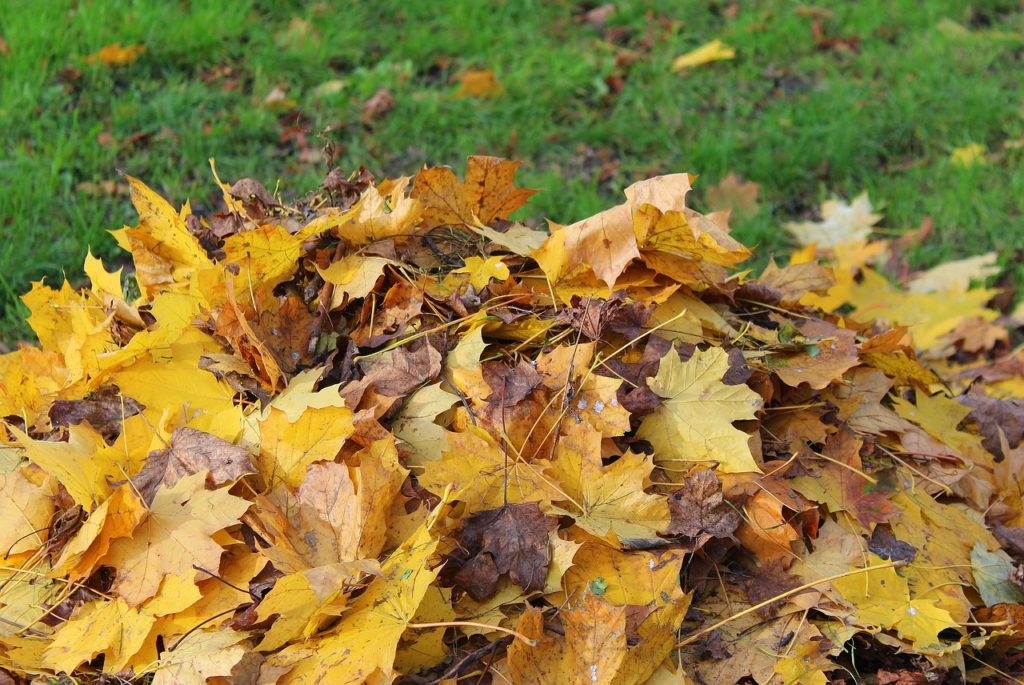
Spring cleanup is more than tidying. Remove fallen leaves and twigs and clear dead foliage from perennials and ornamental grasses to allow fresh growth. Be careful with early perennials and bulbs: leave the dying foliage until it yellows naturally so they can feed next year’s growth. Cut back any frost-damaged stems to healthy buds.
Inspect for winter damage: check fences, trellises, and raised beds for repairs. Clean and service garden tools—sharp, well-oiled blades make pruning and cutting safer and more effective.
Soil preparation: the foundation of success
Good soil is the most important factor in a thriving garden. Test the soil pH and structure if possible—knowing whether your soil is clay, sandy or loamy helps you choose the right improvement methods. Add organic matter like well-rotted compost or leaf mould to improve structure, drainage and nutrient content.
If you’re planting new beds, double-digging or using broad fork techniques can relieve compaction. For vegetable plots, consider raised beds to warm the soil faster in spring and make management easier.
Lawn care: revive and renew
Spring is prime time to bring a tired lawn back to life. Start with a light rake to remove moss and thatch. If your soil is compacted, aerate (spiking or coring) to improve oxygen and water penetration. Overseed thin patches and top-dress with a thin layer of compost or loam to encourage fresh growth.
A balanced spring lawn feed helps green the grass, but do tailor fertiliser use to your soil test results. Reducing fertiliser and mowing height slightly will encourage stronger roots and less mowing later in the season.
Pruning: timing matters
Pruning in spring depends on plant type. Remove dead or diseased wood from shrubs and trees, and prune summer-flowering shrubs earlier to encourage new growth. Wait until after flowering to prune spring-flowering shrubs (like forsythia or lilac) to avoid cutting off the flower buds.
For fruit trees, thin overcrowded branches and remove any suckers or water sprouts. Thoughtful pruning improves air circulation and light penetration, reducing disease pressure and boosting fruit and flower production.
Planting: bulbs, perennials, shrubs and annuals
Spring is a dynamic planting season. Early bulbs (tulips, daffodils) may already be emerging; leave their foliage until it dies back naturally. It’s the perfect time to plant summer-flowering perennials and shrubs so they establish roots before the heat. For quick color, add annuals to containers and borders—but choose varieties suited to your climate and light conditions.
Mixing heights, textures and bloom times creates continuous interest. Pair taller back-of-bed plants with low groundcover at the front. Include evergreens for year-round structure and bulbs for early-season impact.
Containers and balcony gardens
If you have limited space, containers are your best friend. Refresh potting soil, tidy or replace tired containers, and plan a colour palette or theme (herbs, edible salad pots, or a Mediterranean mix). Remember good drainage—elevate pots slightly to avoid waterlogging and use quality multi-purpose compost amended with slow-release fertiliser for sustained feeding.
Watering and irrigation: set up for success
Spring is an excellent time to install or test irrigation systems. Drip irrigation and soaker hoses deliver water efficiently to the root zone and can save time. Mulch beds after planting to conserve moisture, suppress weeds and reduce temperature fluctuations.
Water in the early morning for most gardens—this reduces evaporation and helps prevent fungal diseases. Monitor young plants closely in dry spells and adjust frequency as temperatures rise.
Create structure and interest with hardscaping
Paths, edging, seating and features like a pergola or a small pond can completely change how you use your garden. Use natural materials that fit your overall style—gravel for a casual look, paving for a structured feel, or stepping stones through wildflower areas. Even small changes like a new bench or a defined herb corner make the space more usable and inviting.
Attract wildlife and support biodiversity
Welcome pollinators and beneficial insects by planting native flowers, leaving some areas less tidy, and installing nesting boxes or bug hotels. A small water feature—bird bath or shallow pond—can make a big difference for birds and amphibians. Avoid broad-spectrum pesticides; instead, use targeted, least-toxic methods and encourage natural predators.
Kitchen garden tips: sow, plant, and rotate
Plan crop rotations to keep soil healthy and reduce disease. Start seeds indoors for early tomatoes and peppers if you have a cool climate, and sow hardy vegetables like peas, spinach and radishes directly outside as soon as the soil can be worked. Use succession sowing to prolong harvests and interplant with flowers to attract pollinators and beneficial insects.
Low-maintenance and sustainable choices
To reduce work and environmental impact, choose low-maintenance plants suited to your site, increase mulching to reduce weeds and water use, and use rainwater harvesting where possible. Consider drought-tolerant species and reduce lawn area in favour of wildflowers, shrubs, or productive beds.
Plan a simple maintenance schedule
Create a weekly or monthly checklist: watering and weeding, feeding containers, pruning as needed, mowing, pest checks, and a longer seasonal review. Small, consistent efforts keep the garden manageable and rewarding.
Inspiration and reliable resources
If you want to dive deeper into plant care, design ideas or specific regional advice, reputable resources can help. The Royal Horticultural Society provides excellent plant profiles and seasonal advice, while practical planting ideas and how-to guides can be found at Gardeners’ World. For design inspiration, browse garden portfolios online and adapt ideas to your scale and climate.
Checklist for a productive spring garden
- Walk the garden and make a simple plan with priorities.
- Clear debris, cut back dead growth, and service tools.
- Test soil (if possible) and add compost or organic matter.
- Repair hardscape, paths, fences and raised beds.
- Prune as appropriate for plant types; wait to prune spring-flowering shrubs until after bloom.
- Overseed lawns, aerate compacted areas, and top-dress if needed.
- Plan and plant beds, containers and vegetables according to light and soil conditions.
- Install or test irrigation systems and set up mulch to conserve moisture.
- Introduce wildlife-friendly features and avoid broad-spectrum pesticides.
- Create a maintenance schedule and enjoy the results!
Final thoughts: start small and enjoy the process
Transforming a garden is a journey. Begin with the most rewarding tasks—planting a new bed, setting up a herb corner, or installing a bench—and build gradually. Spring offers visible and rewarding change: the fresh shoots, first flowers and the chorus of returning wildlife are immediate payoffs for your work. Keep learning, experiment with small changes, and remember that the most successful gardens are those that balance beauty, function and care for the environment.
For more ideas and to share your garden story, visit Geekub.com and explore community tips and projects. Happy gardening this spring!