
Western Europe is one of the most diverse and rewarding regions in the world for travelers. Compact in size yet astonishingly rich in history, culture, landscapes, and cuisine, it offers experiences that suit almost every type of visitor. From medieval old towns and world-class museums to dramatic coastlines and alpine scenery, Western Europe feels like a living textbook of European civilization—only far more enjoyable.
What makes this region truly special is not just the number of famous landmarks, but the way history and modern life coexist. You can step out of a centuries-old cathedral and into a cutting-edge café, or walk Roman roads that still shape today’s cities. Below is a comprehensive guide to what is truly worth visiting in Western Europe, organized by regions and themes to help you understand not only where to go, but why it matters.
The Timeless Cities of Western Europe
Paris – Art, Architecture, and Everyday Beauty
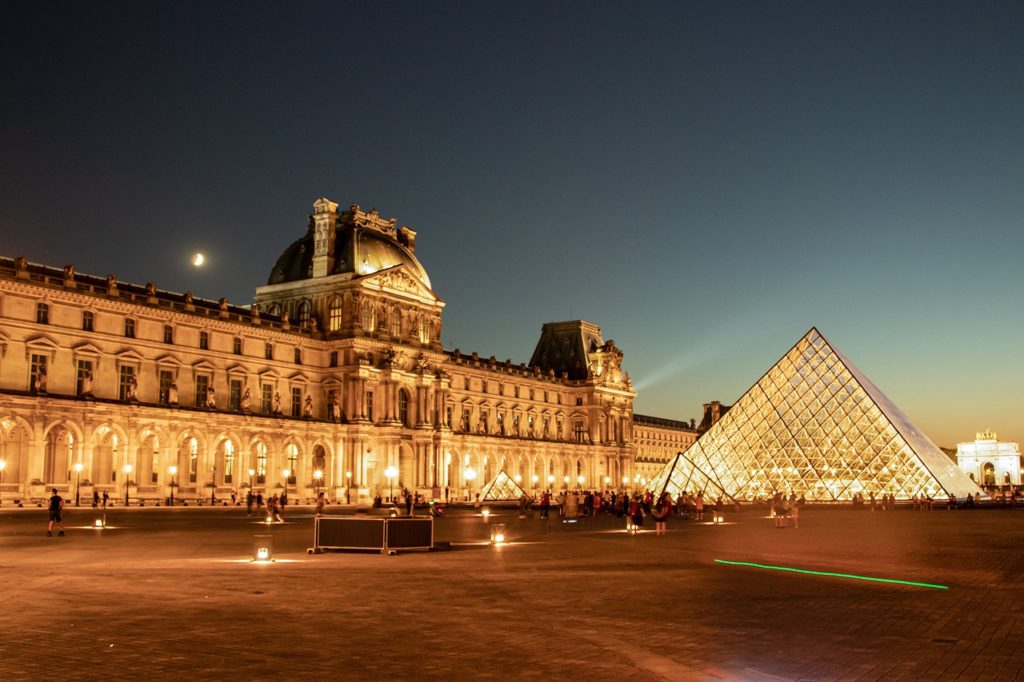
Paris is often called the most beautiful city in the world, and while that may be subjective, its cultural weight is undeniable. The Eiffel Tower, Notre-Dame Cathedral, and the Louvre are icons, but the real charm of Paris lies in its neighborhoods. Wandering through Montmartre, with its steep streets and artists’ studios, or along the Seine at sunset reveals a city that rewards slow exploration.
Paris is also one of Europe’s great culinary capitals. From bakeries selling fresh croissants to Michelin-starred restaurants, food is treated as both pleasure and art. Museums like the Musée d’Orsay and the Centre Pompidou ensure that lovers of art and design could spend weeks here without boredom.
London – A Global City with Deep Roots
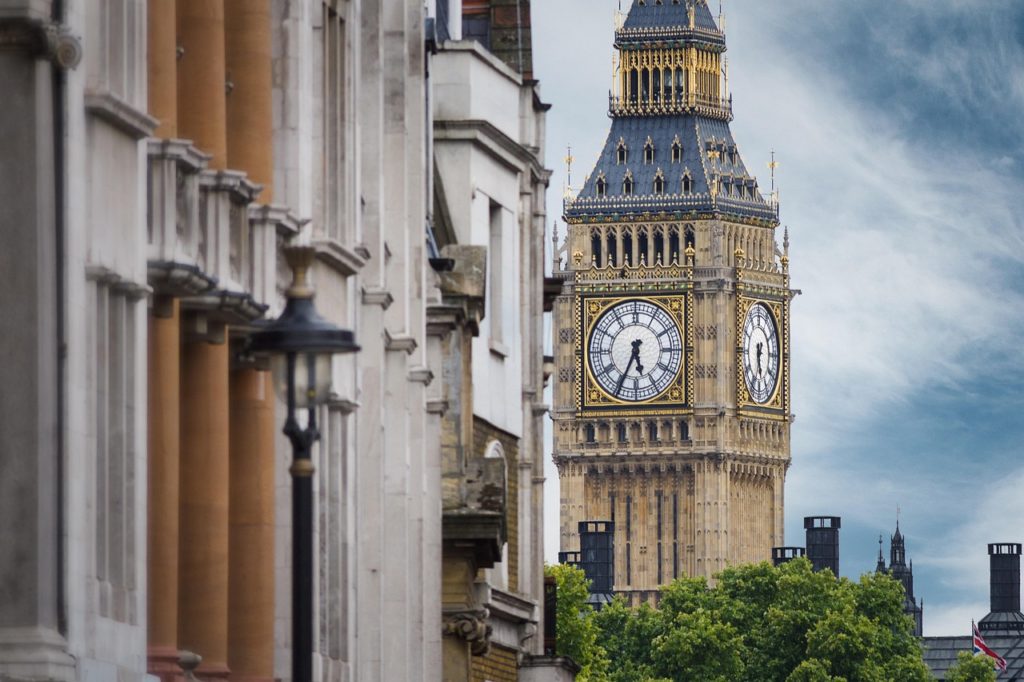
London is a city of layers. Roman ruins sit beneath modern office towers, and royal traditions coexist with cutting-edge music and fashion scenes. Highlights include the British Museum, which houses artifacts from across human history, and Westminster, where politics and monarchy intersect.
What sets London apart is its diversity. Neighborhoods like Camden, Brixton, and Shoreditch each feel like their own worlds. Add in world-class theaters, expansive parks like Hyde Park and Hampstead Heath, and a food scene shaped by global influences, and London becomes far more than a checklist of landmarks.
Rome – The Eternal City
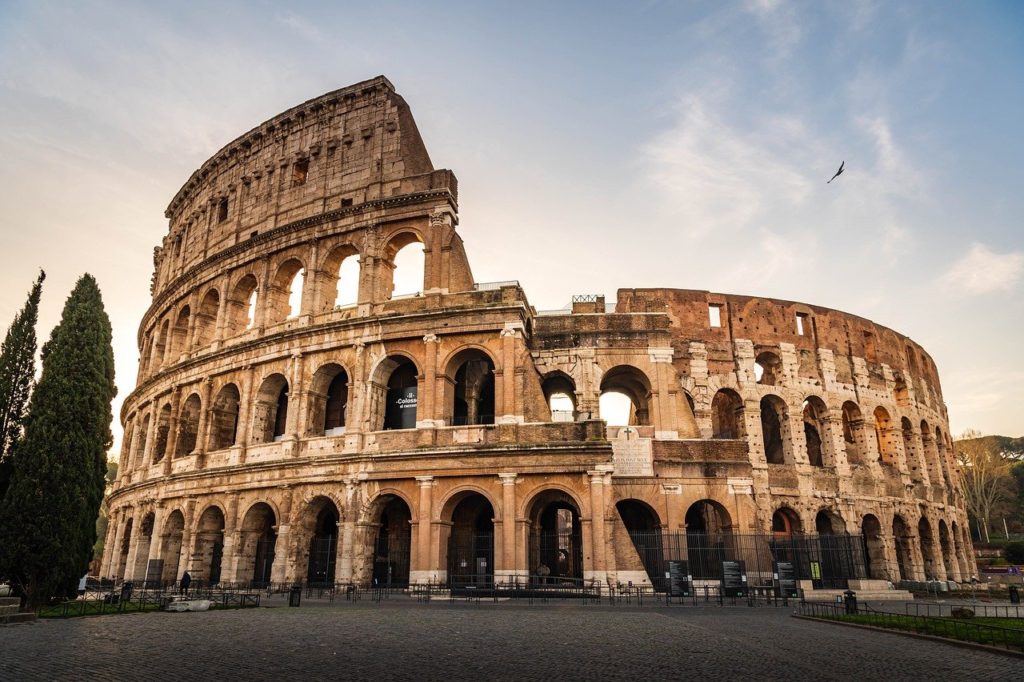
Rome feels less like a city and more like an open-air museum. The Colosseum, Roman Forum, and Pantheon tell the story of an empire that shaped Western civilization. Yet Rome is not frozen in the past. Scooters zip through ancient streets, and lively piazzas fill with locals every evening.
The Vatican City, though technically a separate state, is inseparable from the Roman experience. St. Peter’s Basilica and the Sistine Chapel are not just religious sites but masterpieces of human creativity. Rome is best appreciated slowly, with time for long meals, evening walks, and moments of unplanned discovery.
Cultural Powerhouses Beyond the Capitals
Amsterdam – Canals, Art, and Liberal Spirit
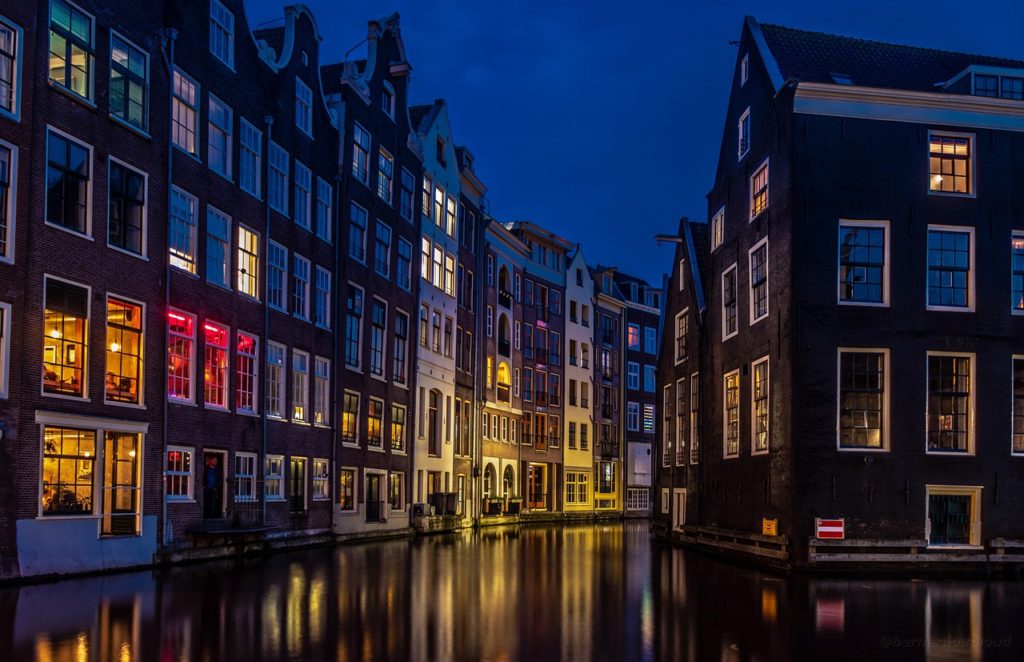
Amsterdam is compact, walkable, and effortlessly charming. Its canals, lined with narrow historic houses, give the city a distinct rhythm. Museums like the Rijksmuseum and the Van Gogh Museum make it a must-visit for art lovers.
Beyond the museums, Amsterdam’s appeal lies in its atmosphere. Bicycles outnumber cars, cafés spill onto sidewalks, and the city embraces openness and individuality. A short trip outside the city leads to windmills, tulip fields, and traditional villages, offering a broader picture of Dutch culture.
Barcelona – Architecture and Mediterranean Energy
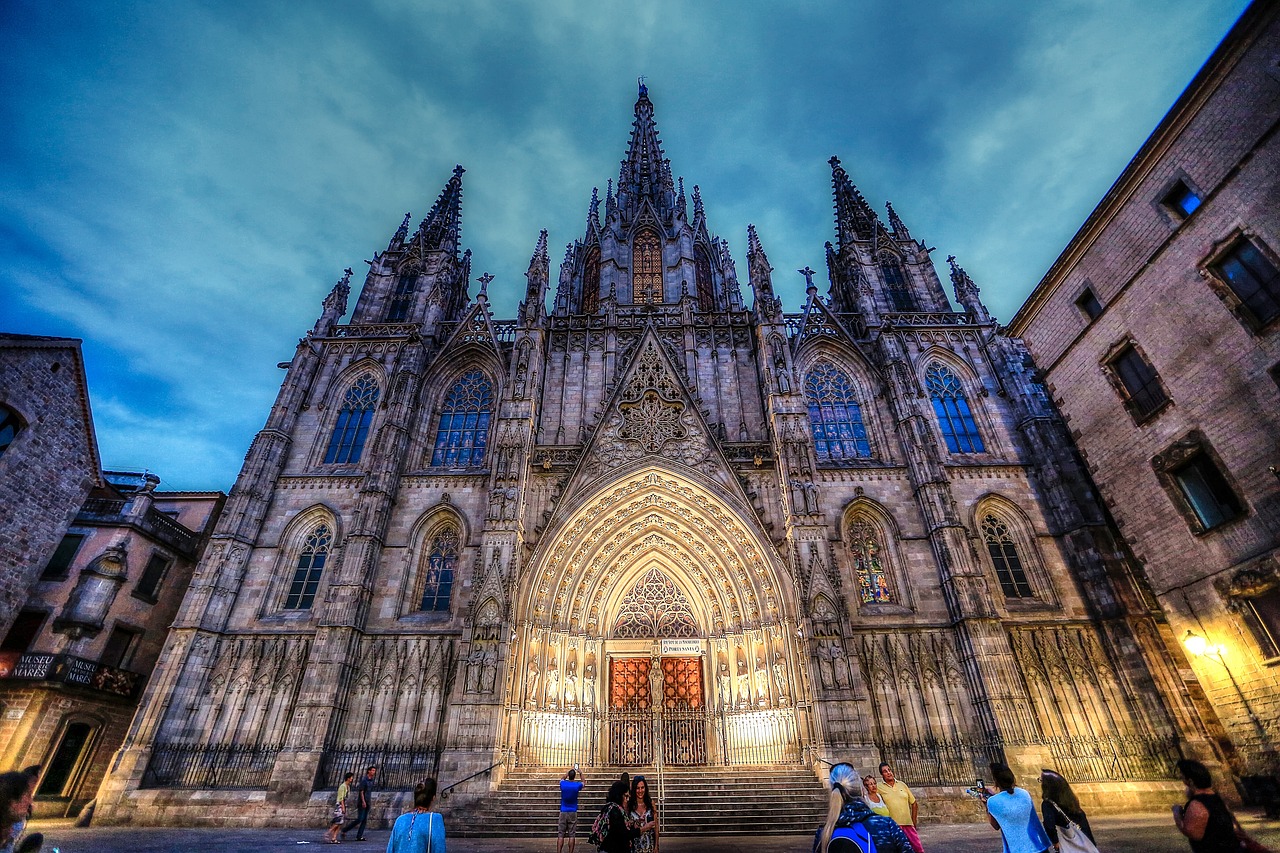
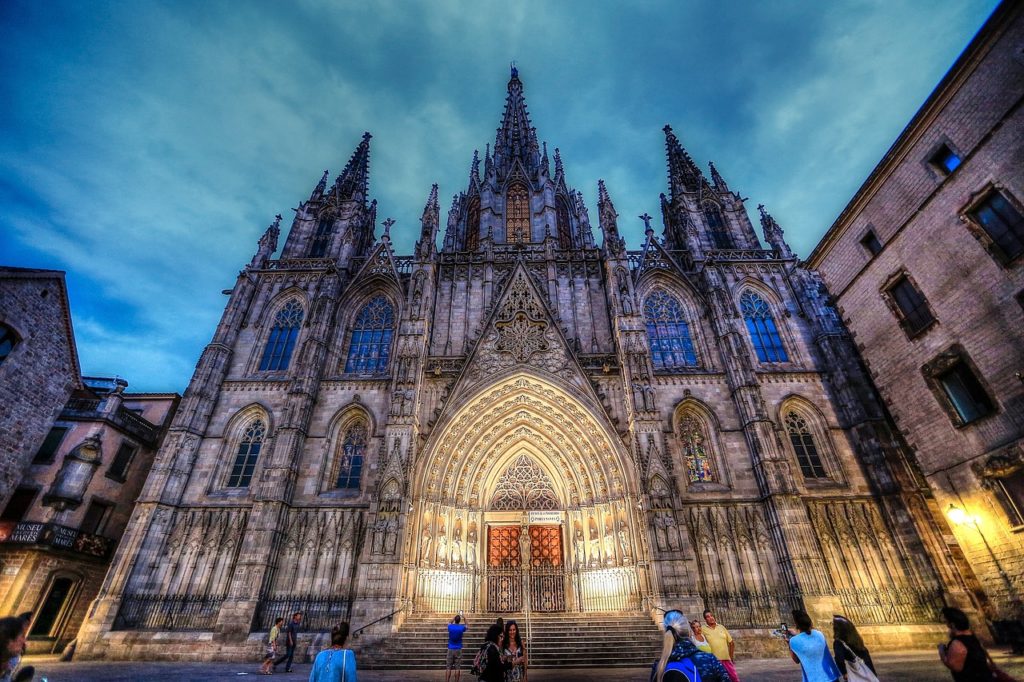
Spain. Barcelona stands out for its unique blend of history, art, and beach life. Antoni Gaudí’s architecture—especially the Sagrada Família and Park Güell—gives the city a surreal, almost dreamlike quality.
The Gothic Quarter preserves medieval streets, while modern neighborhoods pulse with nightlife and creativity. Barcelona’s location on the Mediterranean means food is fresh, flavors are bold, and the pace of life feels lighter. It is a city that appeals equally to culture seekers and those simply looking to enjoy life.
What Is Worth Visiting in Spain?
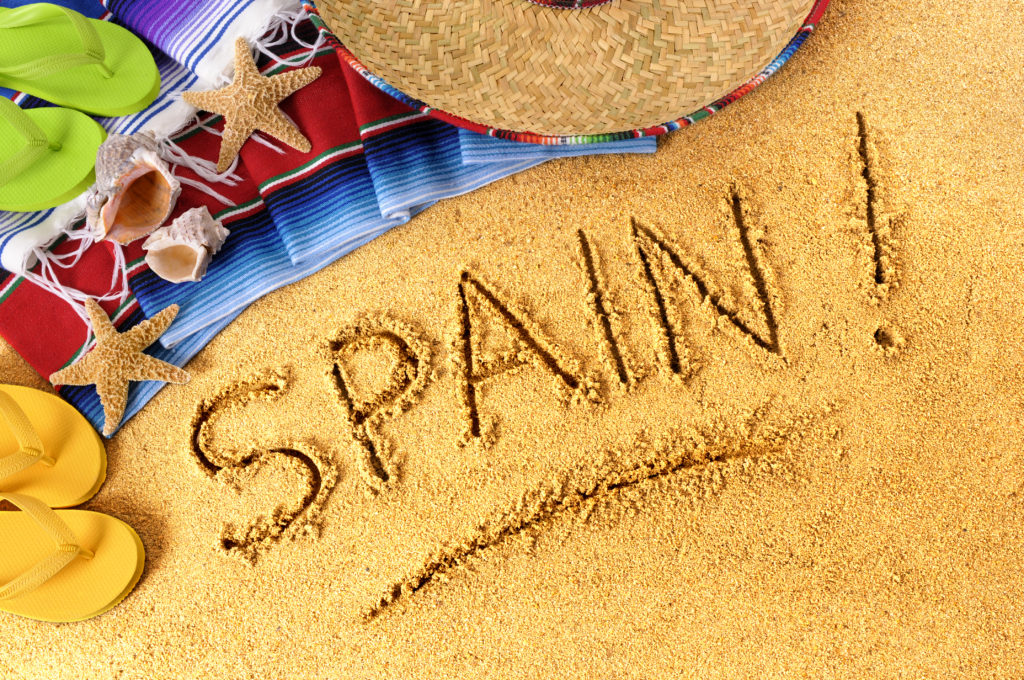
Traveling through Spain often feels like visiting several countries in one, each with its own traditions, cuisine, language influences, and rhythm of life.
Roman ruins, Moorish palaces, medieval towns, avant-garde architecture, world-class museums, and some of Europe’s most beautiful coastlines coexist within one country
Vienna – Elegance and Classical Heritage
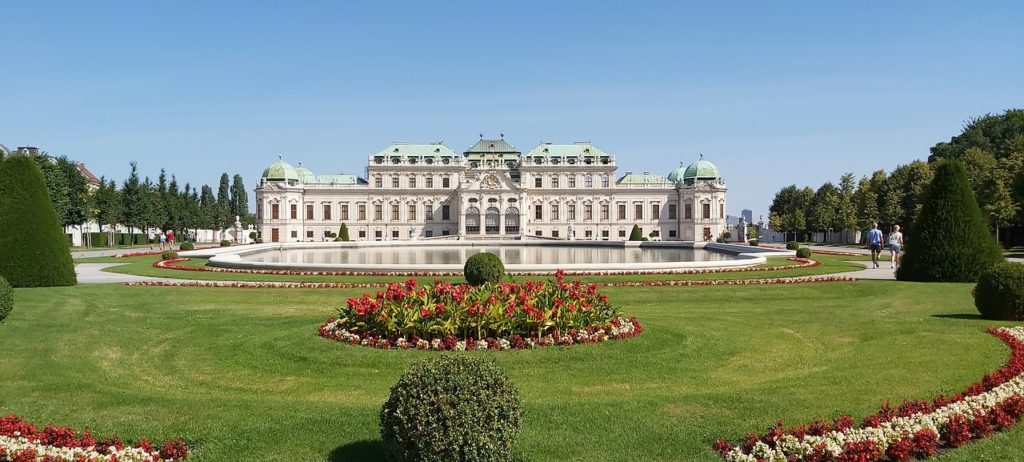
Vienna represents a more refined face of Western Europe. Once the heart of the Habsburg Empire, the city retains a sense of imperial grandeur. Palaces like Schönbrunn and the Hofburg speak of royal power, while coffee houses preserve a slower, more contemplative way of life.
Music lovers will find Vienna particularly rewarding. It was home to Mozart, Beethoven, and Schubert, and classical concerts remain central to its cultural identity. Vienna is also remarkably livable, blending history with efficient modern infrastructure.
Natural Landscapes Worth the Journey
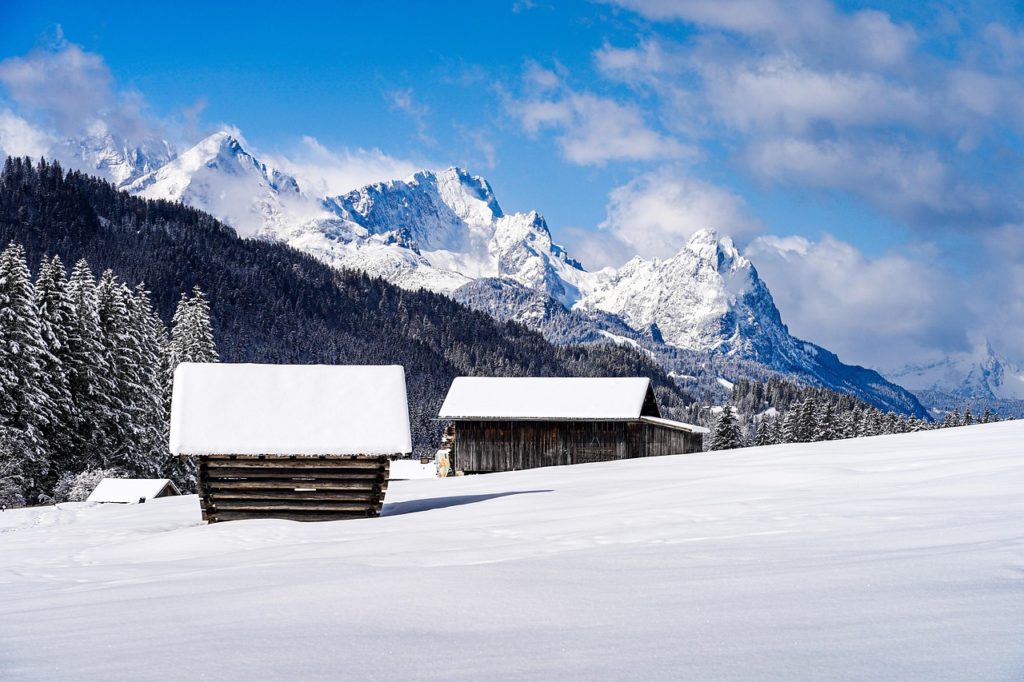
The Alps – Europe’s Mountain Heart
Stretching across several countries, including France, Switzerland, Austria, and Italy, the Alps are one of Western Europe’s greatest natural treasures. In winter, they attract skiers and snowboarders from around the world. In summer, they transform into a paradise for hikers, climbers, and nature lovers.
Places like Chamonix, Zermatt, and Innsbruck offer stunning views, clean mountain air, and access to well-maintained trails. Even travelers not interested in extreme sports can enjoy scenic train routes and alpine villages that feel far removed from urban life.
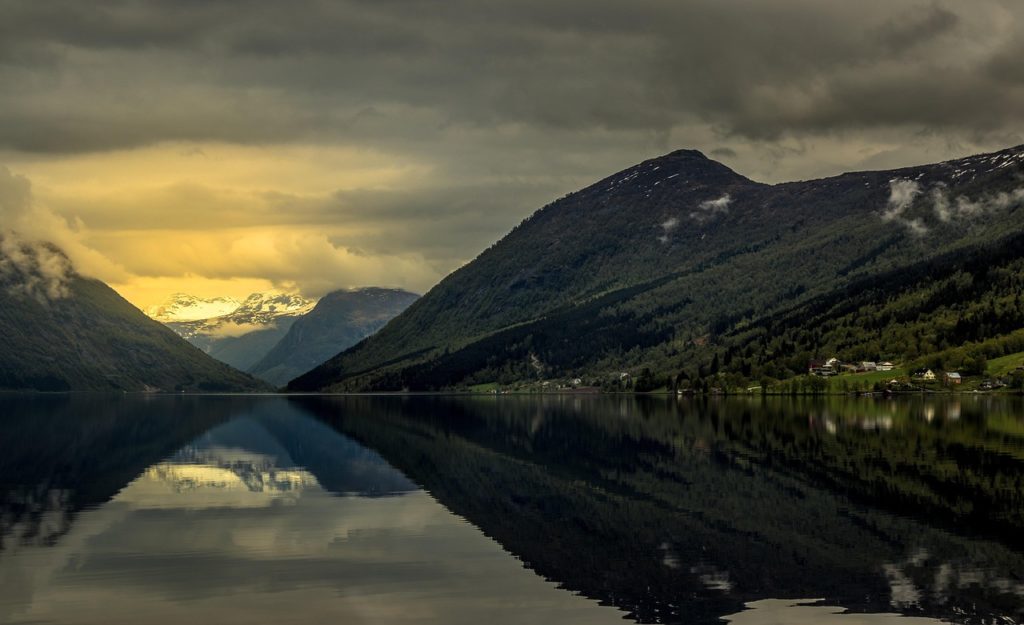
The Norwegian Fjords – Raw and Majestic Beauty
Western Europe is not only about cities, and nowhere is that clearer than in Norway’s fjords. Deep blue waters cut through towering cliffs, creating landscapes that feel almost unreal. Geirangerfjord and Nærøyfjord are among the most famous, but many lesser-known areas are just as impressive.
Cruising through the fjords or hiking along their edges offers a sense of scale and silence that contrasts sharply with Europe’s busy cities. This is a destination for travelers seeking awe rather than entertainment.
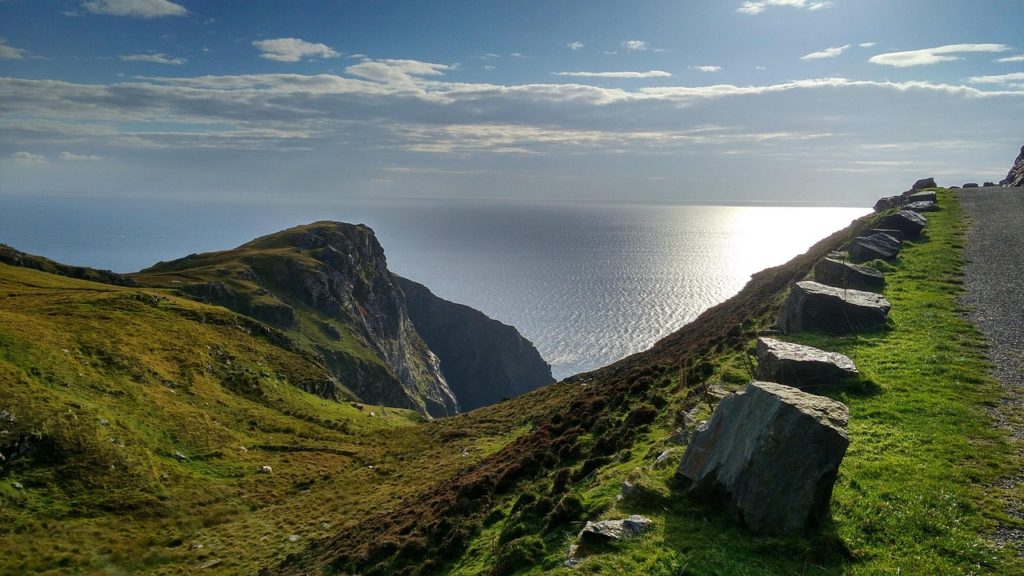
The Atlantic Coastlines
From Portugal’s Algarve to France’s Brittany and Spain’s northern coast, Western Europe’s Atlantic edge is rugged and dramatic. Cliffs, windswept beaches, and small fishing villages define these regions.
These coastal areas are ideal for travelers who enjoy nature, seafood, and a slower pace. Surfing, coastal hikes, and quiet seaside towns provide a different perspective on Europe—less polished, but deeply authentic.
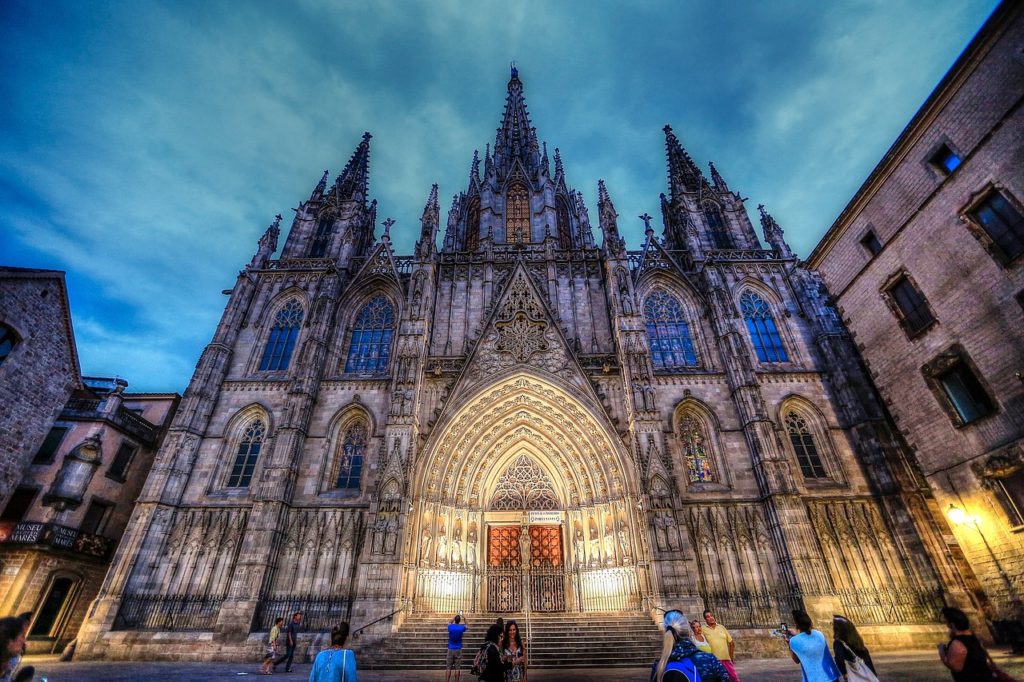
What is worth visiting in Western Europe?
Western Europe is one of the most diverse and rewarding regions in the world for travelers. Compact in size yet astonishingly rich in history, culture, landscapes, and cuisine, it offers experiences that suit almost every type of visitor.
Historical Regions and Small Towns
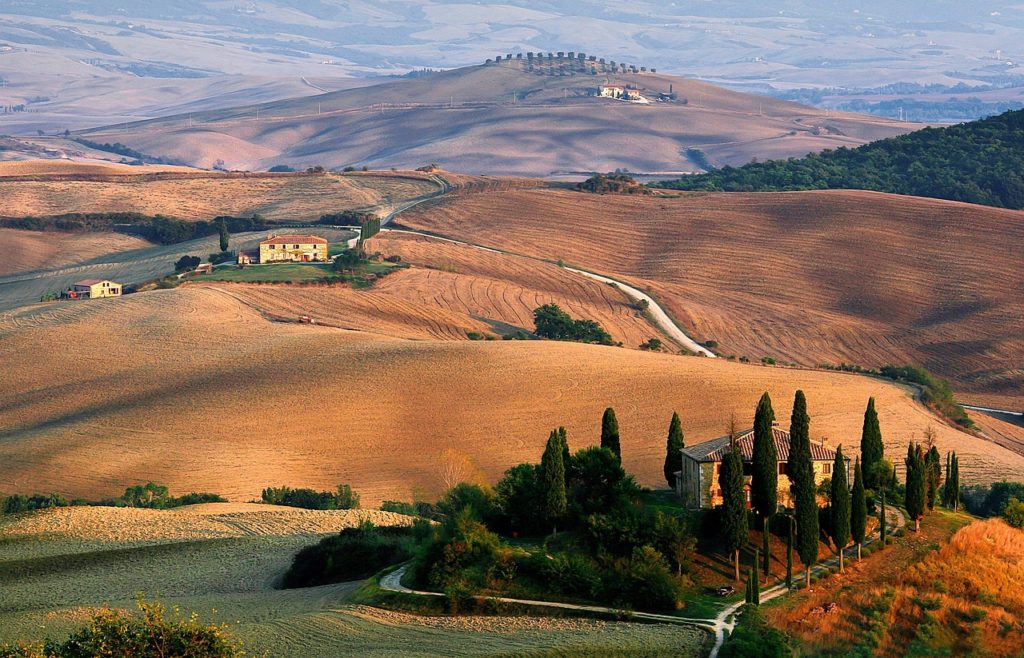
Tuscany – Where Landscape Meets Culture
Tuscany is often described as the essence of Italy, and with good reason. Rolling hills, vineyards, and olive groves form a postcard-perfect landscape. Cities like Florence, Siena, and Pisa are packed with art and architectural treasures.
Florence alone could justify a trip, with masterpieces by Michelangelo, Botticelli, and Leonardo da Vinci. Yet Tuscany’s smaller towns—such as San Gimignano or Montepulciano—offer equally memorable experiences, often with fewer crowds and unforgettable food.
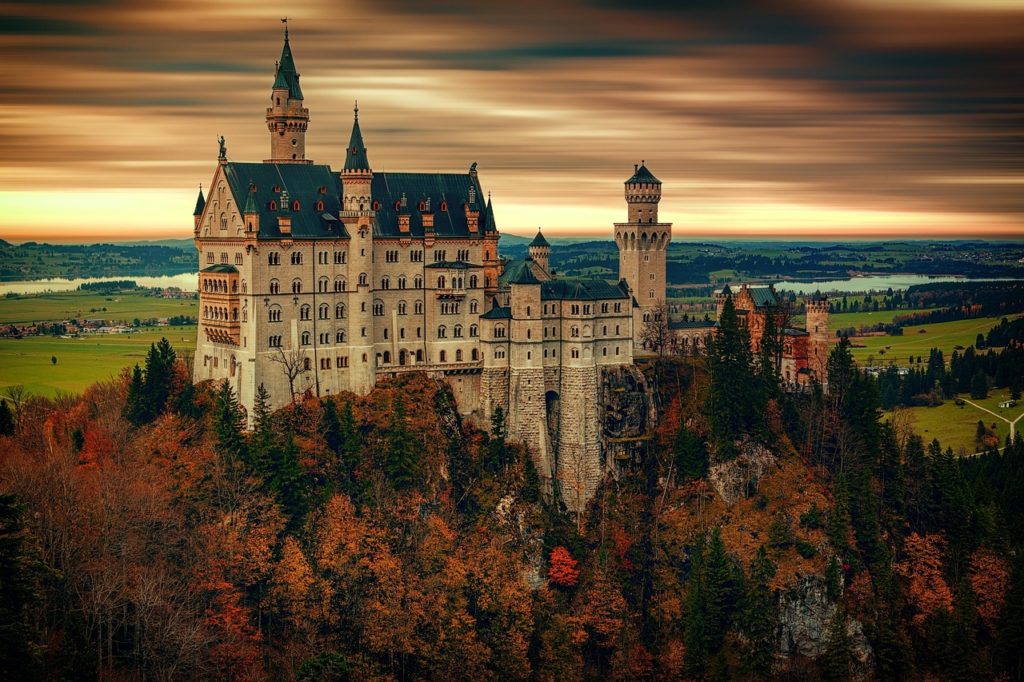
Bavaria – Tradition and Fairytale Scenery
In southern Germany, Bavaria combines strong regional traditions with natural beauty. Munich offers museums, beer gardens, and historic architecture, while the surrounding countryside feels almost storybook-like.
Neuschwanstein Castle, perched dramatically in the Alps, is one of Europe’s most photographed sites. Beyond the famous landmarks, Bavarian villages preserve customs, festivals, and local cuisine that make the region feel distinct within Germany.
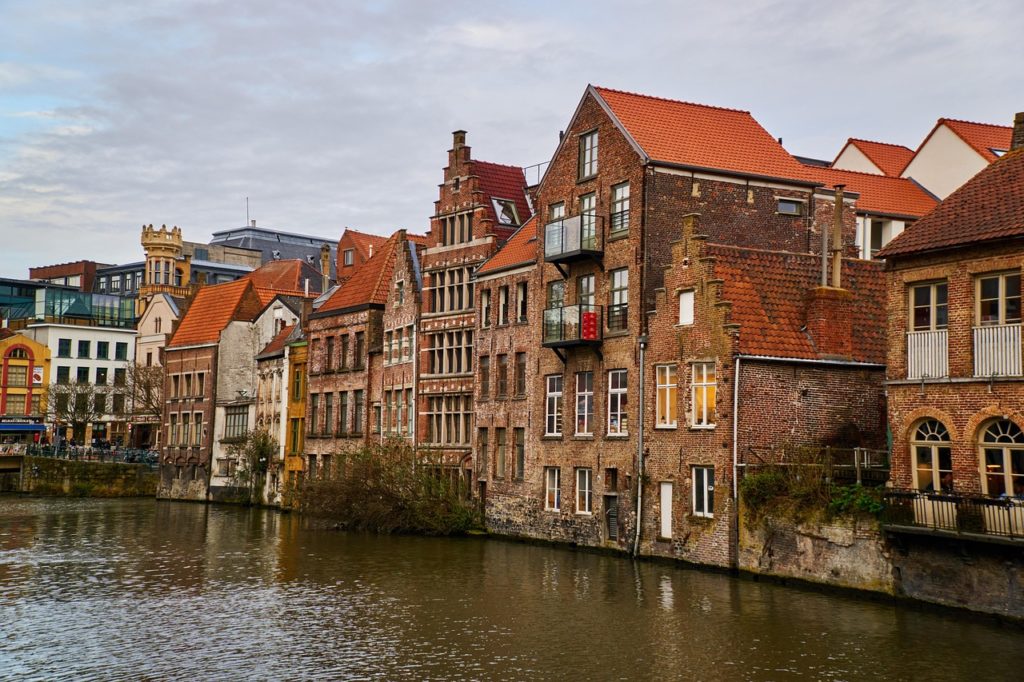
Bruges and Ghent – Medieval Belgium
Belgium’s medieval cities are often overshadowed by larger European capitals, but they are among the most atmospheric places in Western Europe. Bruges, with its canals and preserved old town, feels like stepping back in time.
Ghent, slightly larger and more youthful, combines history with a vibrant student population. Both cities showcase Flemish art, Gothic architecture, and a strong food culture centered on chocolate, waffles, and beer.
Food, Wine, and Everyday Culture

Culinary Traditions That Define Regions
Western Europe’s cuisines are as varied as its landscapes. French cooking emphasizes technique and tradition, Italian cuisine celebrates simplicity and regional ingredients, and Spanish food revolves around sharing and social life.
Wine regions such as Bordeaux, Burgundy, Rioja, and Tuscany are destinations in their own right. Visiting vineyards, tasting local wines, and learning about centuries-old traditions adds depth to any journey.
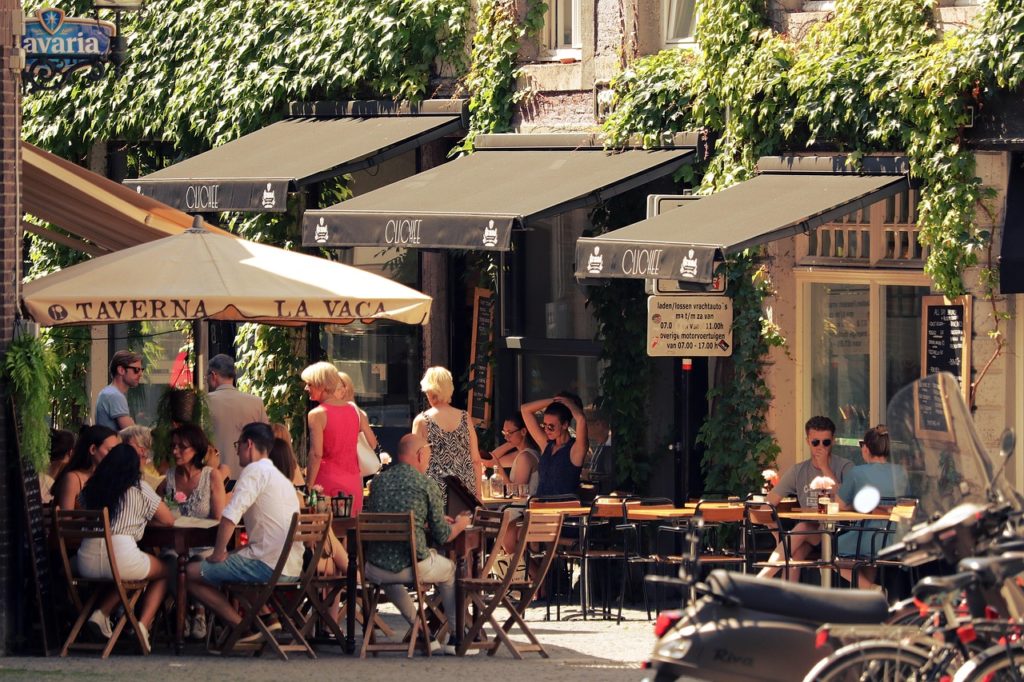
Markets, Cafés, and Local Life
Often, the most memorable moments of travel are the simplest. Morning visits to local markets, long lunches at neighborhood cafés, or conversations overheard in small squares reveal how people actually live.
Western Europe excels at preserving these everyday rituals. Whether it is a café in Vienna, a tapas bar in Seville, or a bakery in a French village, these experiences connect travelers to the rhythm of local life.
Why Western Europe Is Worth Visiting
Western Europe is not defined by a single attraction or experience. Its true value lies in variety and density: few regions offer so much within such a small geographical area. You can explore ancient ruins, admire Renaissance art, hike in alpine landscapes, and relax on a beach—all within one trip.
Equally important is the region’s accessibility. Efficient transport, strong infrastructure, and cultural openness make travel relatively easy, even for first-time visitors. Yet despite this convenience, Western Europe continues to feel deep and complex, always offering more to discover.
In the end, what is worth visiting in Western Europe depends on the traveler. But whether you are drawn by history, nature, food, or simple curiosity, the region rewards attention and time. It is a place where the past is always present, and where every journey feels like a conversation with centuries of human experience.


