Turning 40 often feels like a milestone that prompts reflection about health, energy, and what the future might hold. The good news is that this decade can be a fantastic time to either begin a sport or deepen your commitment to one. The choices you make can improve mobility, reduce the risk of chronic disease, boost mood, and keep your social life vibrant. In this article I’ll walk you through a range of sports and activities that are particularly well-suited to people over 40, explain the benefits and risks, and give practical tips for getting started safely and enjoyably.
What to consider before choosing a sport
- Joint health: If you have arthritis or prior injuries, prefer low-impact sports like swimming, cycling or rowing.
- Bone density: Weight-bearing and resistance activities (e.g., hiking, strength training) help maintain bone mass.
- Cardiovascular fitness: Endurance sports like brisk walking, cycling, and swimming support heart health.
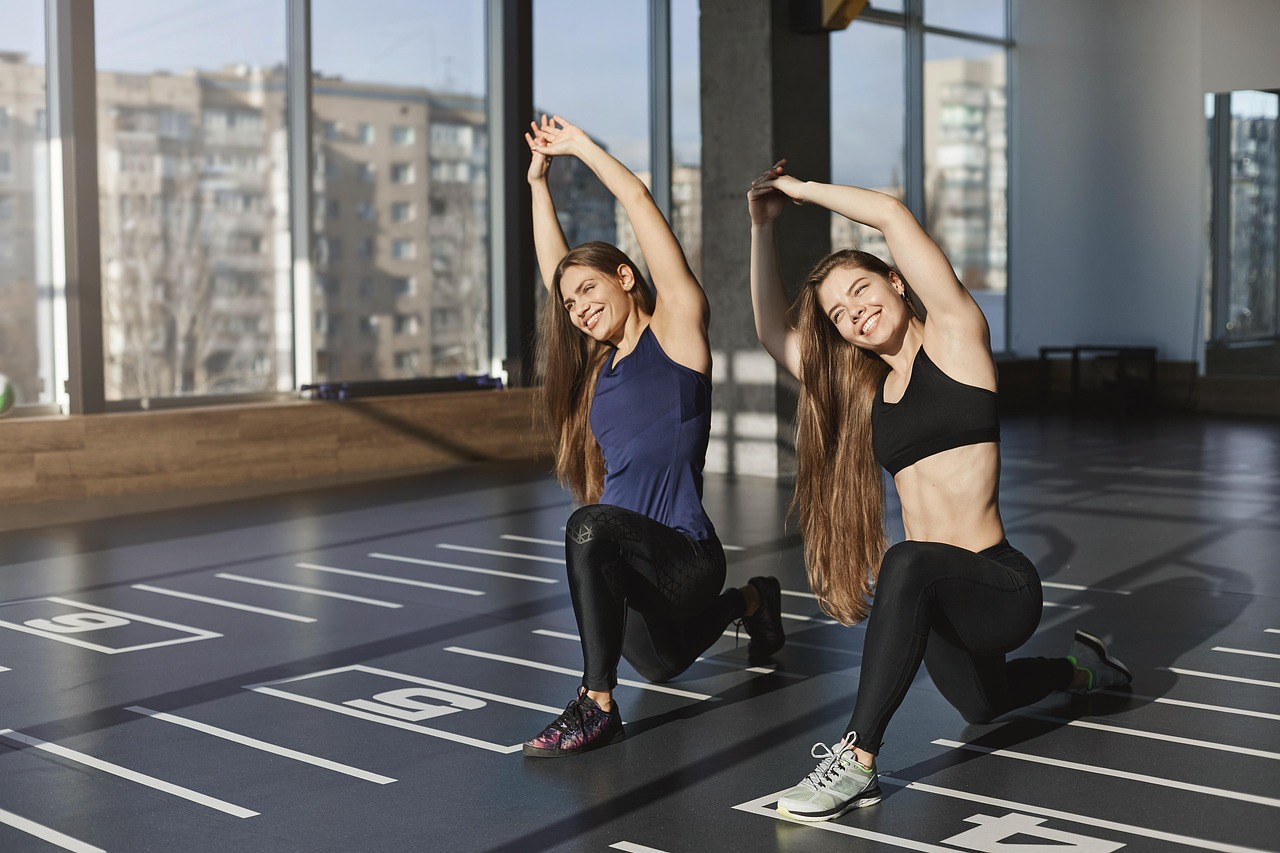
- Flexibility and balance: Yoga, tai chi, and dancing reduce fall risk and improve range of motion.
- Social needs: Team or group activities like tennis, pickleball, or recreational leagues encourage adherence through community.
- Time and convenience: Choose sports you can fit into your weekly routine—consistency is key.
Top sports and activities to consider after 40
1. Walking and Nordic walking
Why it works: Walking is accessible, low-impact, and scalable. Nordic walking (using poles) engages the upper body, increases calorie burn, and improves posture. For people new to exercise or returning after injury, walking builds a base of cardiovascular fitness while minimizing risk.
How to start: Aim for 30 minutes most days, and gradually increase pace and duration. Add hills or poles to increase intensity. Good footwear and a simple warm-up and cool-down reduce injury risk.
2. Swimming and water-based exercise
Why it works: Swimming is the ultimate low-impact full-body workout. It’s excellent for joint health, improves cardiovascular fitness, and can be adapted for rehabilitation. Water aerobics and aqua jogging are alternatives that reduce load on hips and knees.
How to start: Take a few lessons to refine technique if needed, and mix laps with gentle drills and water-strength exercises. Pools often offer masters programs for older adults, providing structure and social contact.
3. Cycling (indoor and outdoor)
Why it works: Cycling is low-impact, builds leg strength and endurance, and is flexible in intensity. Indoor cycling classes provide a structured workout; road or gravel cycling adds variety and outdoor enjoyment.
How to start: Get a bike fit to avoid back or knee pain. Begin with short rides and allow recovery days. Use a helmet and follow traffic safety rules if riding outdoors.
4. Strength training and functional fitness
Why it works: Resistance training combats age-related loss of muscle mass (sarcopenia) and helps maintain metabolic health, balance, and functional independence. It’s one of the most powerful interventions to preserve strength and bone density.
How to start: Two to three sessions per week targeting major muscle groups is sufficient. Focus on controlled movements, progressive overload, and allow rest between sessions. Work with a trainer at first to learn proper technique and avoid injuries.
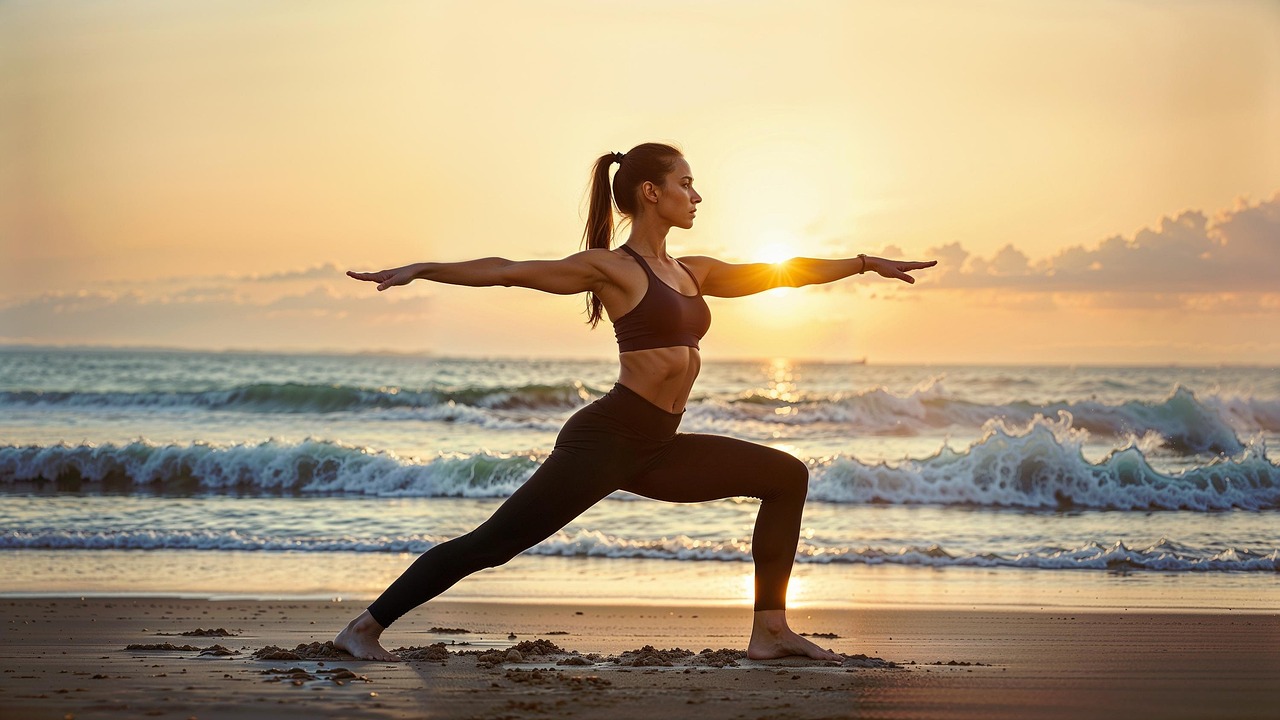
5. Yoga and Pilates
Why it works: Both disciplines enhance flexibility, core strength, posture, and body awareness. They can reduce stress and improve sleep—important considerations when life gets busy.
How to start: Look for classes geared toward beginners or older adults, and communicate any limitations to the instructor. Props and modifications make poses accessible for varying mobility levels.
6. Tai Chi
Why it works: Tai chi is a gentle martial art that emphasizes slow, flowing movements and focused breathing. It improves balance, reduces fall risk, and offers mental calm.
How to start: Community centers often run tai chi classes. Regular short sessions—15–30 minutes daily—produce measurable benefits in balance and mobility.
7. Tennis and pickleball
Why it works: Racket sports are excellent for agility, coordination, and social interaction. Pickleball, in particular, has surged in popularity among older adults because it is easier on the body than tennis while still providing good cardio and skill-based challenges.
How to start: Pickleball can be learned quickly and played at a social pace. For tennis, start with lessons to learn stroke mechanics and minimize strain.
8. Hiking and trail walking
Why it works: Hiking combines cardiovascular exercise with strength-building (especially on uneven terrain) and exposure to nature, which boosts mental wellbeing. It’s easily adapted to your fitness level—short nature walks to multi-hour treks.
How to start: Begin with flat routes and progress to hillier trails. Invest in supportive footwear, carry water and snacks, and consider trekking poles for stability.
9. Dancing
Why it works: Dance classes and social dancing combine aerobic conditioning, balance, cognitive challenge, and social engagement. Styles range from ballroom and salsa to contemporary—choose what you enjoy.
How to start: Try a beginner course or a social dance night. Dancing is an enjoyable way to stay active that doesn’t feel like “exercise.”
10. Golf
Why it works: Golf is low-impact, encourages walking (if you skip the cart), and offers social interaction. It also requires mobility and coordination, which can be maintained with complementary strength and flexibility work.
How to start: Take lessons to develop efficient swing mechanics and consider walking the course to add a low-intensity cardio component.
Putting together a balanced weekly plan
A well-rounded routine combines cardiovascular, strength, flexibility, and balance work. Here’s a simple template you can adapt:
- 3–4 days of moderate cardio (30–60 minutes): walking, swimming, cycling, or dancing.
- 2 days of strength training (30–45 minutes): full-body resistance work focusing on compound movements.
- 2–3 sessions of flexibility/balance (20–30 minutes): yoga, Pilates, or tai chi.
- 1 active recovery day: gentle walk or mobility session.
Safety, recovery, and longevity
No matter what sport you choose, prioritize recovery. Sleep, balanced nutrition (adequate protein and micronutrients), hydration, and active recovery days are crucial. Pay attention to warning signs such as persistent joint swelling, sharp pains, or prolonged fatigue. Don’t be afraid to scale back, modify technique, or swap activities temporarily to allow healing.
Social and motivational tips
Joining a class, finding a workout buddy, or entering age-group events can be powerful motivation. Many communities offer masters programs, walking clubs, or recreational leagues specifically tailored to older adults. The social component makes it easier to stick to a routine and adds an emotional boost that is as important as the physical benefits.
Final thoughts
After 40 is an excellent time to choose activities that preserve mobility, build strength, and bring joy. There isn’t a single “best” sport—there’s the one that fits your body, lifestyle, and interests. Whether you prefer the solitude of a long swim, the camaraderie of a tennis match, or the calm focus of tai chi, pick something you enjoy and treat consistency as the real superpower.
If you want trustworthy guidance on activity levels and how to structure a plan based on your health profile, consult resources such as the World Health Organization guidance on physical activity or your national health service like the NHS. And if you’re looking for more articles like this one, check out the blog home page at Geekub.com.