
Softshell jackets are designed to balance comfort, protection, and breathability. They are flexible, wind-resistant, and comfortable enough to wear for hours – which is exactly why they tend to get dirty faster than many other outdoor garments. Sweat, body oils, dust, and everyday grime slowly build up in the fabric, even when the jacket still looks clean on the outside. How to Wash a Softshell Jacket?
Many people hesitate to wash their softshell jacket because they are afraid of damaging it. Others do the opposite and throw it into the washing machine with regular laundry, assuming it will handle it just fine. Both approaches often lead to the same result: a jacket that no longer performs the way it should.
Washing a softshell jacket properly is not difficult, but it does require understanding how the fabric works and what it needs. When done correctly, washing does not ruin a softshell – it actually helps restore breathability and overall performance.
This guide walks you through the entire process step by step, from knowing when your jacket needs washing to drying it correctly and preparing it for reproofing.
Why Washing a Softshell Jacket Matters More Than You Think
Dirt and Body Oils vs. Fabric Performance
Softshell fabrics rely on microscopic spaces between fibers to allow moisture vapor to escape. Over time, sweat, sunscreen, skin oils, and fine dirt particles clog these spaces. Even if the jacket still looks fine, its breathability can be significantly reduced.
This is often why a jacket starts to feel clammy from the inside or uncomfortable during activity. The problem is not the fabric itself – it is the contamination trapped inside it.
Why Washing Can Restore Breathability
Contrary to popular belief, washing a softshell jacket often improves its performance. Removing dirt and oils opens up the fabric structure again, allowing moisture to pass through more efficiently. In many cases, users notice better comfort immediately after a proper wash.
Skipping washing to “protect” the jacket usually does more harm than good.
Common Fears and Misconceptions About Washing Softshells
One of the most common myths is that washing automatically destroys the water-repellent finish. In reality, dirt is often what makes water stop beading on the surface. Washing can temporarily improve water repellency by cleaning the fabric – even before reproofing becomes necessary.
What Softshell Fabric Is and Why It Needs Special Care
How Softshell Differs from Fleece and Hardshell
Unlike fleece, softshell fabric is tightly woven to block wind. Unlike hardshell jackets, it usually does not rely on a waterproof membrane. This combination makes softshells durable and flexible, but also more sensitive to detergent residues and fabric treatments. You can find more about the differences, advantages and disadvantages in the article: Fleece or Softshell: Which Is Better and When?
The Role of Stretch Fibers and DWR Coating
Most softshell jackets contain stretch fibers such as elastane. These fibers improve mobility but can degrade if exposed to harsh chemicals or high heat. On the outside, a DWR (durable water-repellent) finish helps water bead and roll off, but it is not permanent and requires proper care.
Why “Gentle” Does Not Mean “Rarely Washed”
Many users assume that treating a jacket gently means washing it as little as possible. In reality, regular, proper washing is gentler than long-term neglect. Dirt left in the fabric slowly breaks it down and reduces performance.
When Should You Wash a Softshell Jacket?
One of the most common mistakes people make with softshell jackets is waiting too long before washing them. Many assume that visible dirt is the main indicator, but in reality, performance problems usually appear long before the jacket looks dirty.
Visible Dirt vs. Hidden Contamination
Mud splashes, dust, or food stains are obvious signs that a jacket needs washing, but they are not the most important ones. Far more damaging are invisible contaminants such as sweat, skin oils, sunscreen, and air pollution. These substances slowly accumulate inside the fabric and interfere with its ability to breathe.
A softshell jacket worn regularly – even just for commuting, walking, or light outdoor activity – absorbs moisture and oils every time you wear it. Over time, this buildup blocks the microscopic gaps between fibers that allow moisture vapor to escape.
Performance Signs Your Jacket Needs Washing
Often, the first warning signs are not visual but sensory. If your jacket:
- feels clammy or damp inside during activity,
- no longer regulates temperature as well as it used to,
- starts to smell quickly after short use,
- wets out faster in light rain,
then it almost certainly needs washing. These symptoms are often misinterpreted as fabric failure, when in fact the jacket is simply dirty.
How Often Is Too Often?
There is no universal washing schedule, but as a general guideline:
- Heavy use (sports, hiking, daily wear): every few weeks
- Moderate use: every 1 – 2 months
- Occasional use: when performance drops
Washing a softshell jacket too rarely is far more harmful than washing it regularly and correctly. The key is not frequency alone, but how you wash it.
Preparing Your Softshell Jacket for Washing
Proper preparation before washing significantly reduces the risk of damage and improves cleaning effectiveness. Skipping this step is one of the easiest ways to shorten the lifespan of your jacket.
Checking the Care Label (and When to Question It)
Always start by reading the care label inside your jacket. Manufacturers often provide useful baseline guidance regarding temperature and drying. However, care labels are sometimes overly conservative or simplified.
If the label allows machine washing and discourages fabric softeners, you are already on the right track. Treat the label as a starting point, not the only source of information.
Zippers, Pockets, and Velcro – What to Do Before Washing
Before washing:
- Empty all pockets completely.
- Close all zippers to prevent snagging.
- Fasten Velcro cuffs and tabs so they do not abrade the fabric.
- Loosen drawcords if possible.
These small steps help protect both your jacket and the washing machine drum.
Should You Turn a Softshell Inside Out?
Turning the jacket inside out is generally recommended. It allows detergents to better reach the inner fabric, where sweat and oils accumulate, while reducing abrasion on the outer surface and DWR coating.
If your jacket has heavy outer contamination (mud or dust), rinse or brush it off first before turning it inside out.
Pre-Cleaning Mud and Heavy Dirt
Dried mud and thick dirt should be removed before machine washing. Let the mud dry completely, then gently brush it off. For stubborn areas, a damp cloth or soft brush works well.
Avoid scrubbing aggressively – softshell fabric is durable, but unnecessary force can damage surface treatments.
Choosing the Right Detergent for a Softshell Jacket
The detergent you use has a greater impact on your softshell jacket than the washing machine itself. Using the wrong product is one of the fastest ways to reduce breathability and damage the fabric’s performance over time.
Why Regular Detergents Damage Softshell Fabrics
Standard household detergents are designed to leave fabrics smelling fresh and feeling soft. To achieve this, they contain additives that coat fibers. While this is harmless for everyday clothing, it is problematic for technical fabrics.
These residues clog the fabric structure, making it harder for moisture vapor to escape. Over time, this leads to reduced breathability and that uncomfortable, clammy feeling during activity. Some detergents can also degrade stretch fibers when used repeatedly.
Fabric Softeners and Why They Are a Big Mistake
Fabric softener is particularly damaging to softshell jackets. It coats the fibers with a thin film that:
- blocks breathability,
- reduces water repellency,
- attracts dirt more quickly.
Once fabric softener has been used, it can be very difficult to fully remove. For technical garments, fabric softeners should be avoided entirely.
What Makes a Detergent “Technical”
A detergent suitable for softshell jackets is free from:
- fabric softeners,
- optical brighteners,
- strong fragrances,
- unnecessary additives.
Technical detergents are formulated to clean effectively without leaving residues behind. They rinse out more completely and help preserve the fabric’s functional properties.
Liquid vs. Powder Detergents
Liquid detergents are generally preferred for softshell jackets. They dissolve more easily and are less likely to leave residue in the fabric. Powder detergents can work, but only if they fully dissolve and rinse out – something that is not always guaranteed at lower temperatures.
How to Wash a Softshell Jacket in a Washing Machine
Machine washing is the safest and most effective method for cleaning a softshell jacket, as long as the correct settings are used.
How to Wash a Softshell – Recommended Temperature Settings
Most softshell jackets should be washed at 30°C (86°F). This temperature is sufficient to remove sweat and oils without stressing the fabric or stretch fibers. Higher temperatures increase the risk of damage and are rarely necessary.
Wash Cycle and Spin Speed
Choose a gentle or synthetic cycle. These programs use slower drum movement and reduce mechanical stress on the fabric.
Spin speed should be moderate. High spin speeds can crease the fabric and put unnecessary strain on seams and stretch panels.
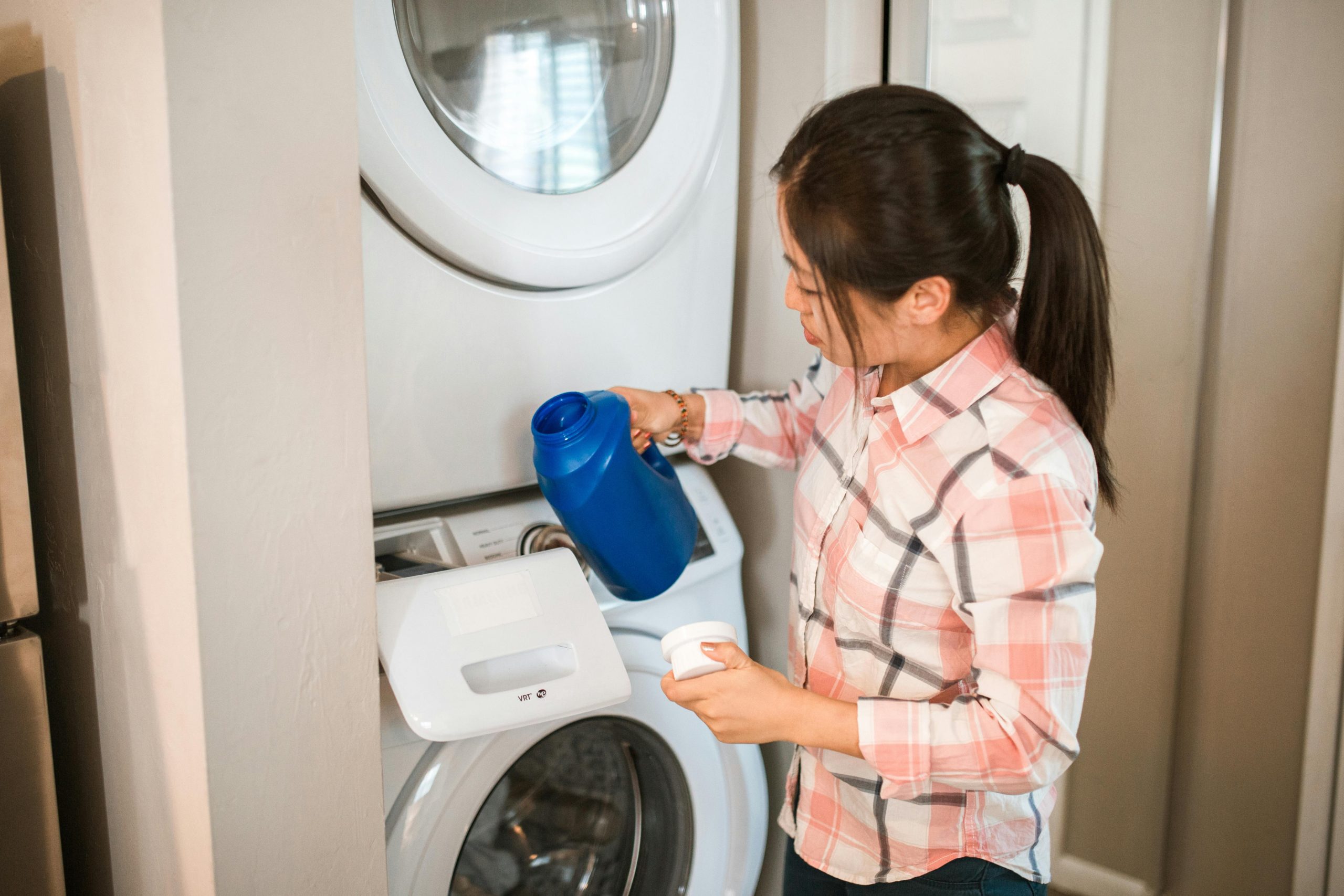
How Much Detergent to Use
Less is more. Use less detergent than recommended for normal laundry. Excess detergent is harder to rinse out and often does more harm than good.
When an Extra Rinse Cycle Makes Sense
An additional rinse cycle is highly recommended, especially if:
- your washing machine tends to leave detergent residue,
- you have hard water,
- the jacket was heavily soiled.
A thorough rinse helps restore breathability and prevents long-term buildup inside the fabric.
Can You Hand Wash a Softshell Jacket?
Hand washing is not usually necessary, but it can be useful in certain situations. It is a good option if you do not have access to a washing machine or if the jacket is only lightly soiled.
When Hand Washing Is a Good Idea
Hand washing works best when:
- the jacket has light contamination,
- you want to freshen it up between machine washes,
- the care label explicitly recommends it.
For heavily used jackets, machine washing is generally more effective at removing oils and sweat from deep within the fabric.
Step-by-Step Hand Washing Process
- Fill a bathtub or large basin with lukewarm water.
- Add a small amount of technical detergent and mix well.
- Submerge the jacket and gently agitate the water.
- Lightly massage areas such as the collar, cuffs, and underarms.
- Rinse thoroughly with clean water until no detergent remains.
Avoid wringing or twisting the fabric, as this can damage seams and stretch fibers.
Common Hand-Washing Mistakes
The most common mistakes include:
- using too much detergent,
- scrubbing aggressively,
- failing to rinse thoroughly.
Hand washing should be gentle and minimal – it is not a substitute for deep cleaning.
How to Dry a Softshell Jacket Properly
Drying is just as important as washing. Improper drying can undo the benefits of careful washing.
Air Drying vs. Tumble Drying
Air drying is the safest option. Hang the jacket in a well-ventilated area, away from direct heat or sunlight. This method preserves the fabric and minimizes wear.
Some softshell jackets can be tumble dried on a low heat setting. Gentle heat can help reactivate the DWR coating, but only if the care label allows it. High heat should always be avoided.
Can Heat Reactivate Water Repellency?
Yes, mild heat can help restore water repellency by realigning the DWR molecules on the fabric surface. This does not replace reproofing, but it can improve performance temporarily after washing.
Drying Mistakes That Reduce Jacket Lifespan
Avoid:
- high heat,
- radiators and heaters,
- direct sunlight for long periods.
Excessive heat can weaken fibers and reduce elasticity.
What Washing Can and Cannot Fix
Understanding the limits of washing helps set realistic expectations.
Breathability Restoration
Proper washing often restores breathability almost completely. Many jackets feel noticeably more comfortable after a thorough wash and rinse.
DWR Performance After Washing
Washing may temporarily improve water beading by removing dirt. However, if water no longer beads even after drying, reproofing is needed.
When Washing Is Not Enough
If the jacket wets out quickly or no longer sheds water after drying, washing alone will not fix the issue. At this point, it is time to reapply a water-repellent treatment.
How to Wash a Softshell Jacket – Final Washing Checklist
Quick Summary Before and After Washing
Before washing:
- Check the care label
- Close zippers and Velcro
- Use technical detergent
After washing:
- Rinse thoroughly
- Dry gently
- Check water repellency
Preparing for the Next Step: Reproofing
Now you know how to wash a softshell jacket. Once your jacket is clean and dry, it is ready for reproofing if needed. Proper washing is the foundation of effective impregnation – without it, even the best products will fail.