
Choosing the right outerwear is one of the most important decisions for anyone who spends time outdoors, whether it’s hiking in the mountains, commuting in unpredictable weather, or simply looking for a comfortable jacket for everyday use. Among the most commonly discussed options are fleece jackets and softshell jackets. Both are widely available, both are often marketed as versatile solutions, and both have loyal supporters. Yet despite their popularity, many people are unsure which one is actually better – and more importantly, when each option makes the most sense.
At first glance, fleece and softshell jackets can seem interchangeable. They are often similar in weight, used in similar temperature ranges, and worn during similar activities. This apparent overlap is precisely what causes confusion. A buyer standing in a store or browsing online is likely to ask: Do I need warmth or weather protection? Breathability or wind resistance? A mid-layer or an outer layer? Without a clear understanding of what differentiates fleece from softshell, making the right choice becomes difficult.
The question “Fleece or softshell – which is better and when?” does not have a simple, universal answer. Neither option is objectively superior in every situation. Instead, each excels under specific conditions and serves a distinct role within a clothing system. Understanding these roles is key to avoiding disappointment, overspending, or choosing a jacket that performs poorly in real-world use.
Fleece jackets have been a staple of outdoor clothing for decades. Originally designed as a lightweight alternative to wool, fleece quickly gained popularity due to its warmth, comfort, and ease of use. Over time, it has become synonymous with insulation and breathability. Many people associate fleece with cozy warmth and casual comfort, which explains why it is commonly worn not only outdoors but also in everyday settings. However, fleece is often misunderstood as a standalone solution, even though it performs best when paired with other layers.
Softshell jackets, on the other hand, emerged as a response to the limitations of both fleece and traditional hard-shell jackets. They aim to combine moderate insulation, weather resistance, and flexibility in a single garment. Softshells are often marketed as “do-it-all” jackets, suitable for active movement and changing weather conditions. This promise of versatility makes them attractive, but it can also lead to unrealistic expectations, especially when users assume they can replace both insulation layers and fully waterproof shells.
Another reason this comparison is so common lies in how people actually use their clothing. Outdoor activities rarely happen in controlled conditions. Weather changes, wind picks up, physical effort varies, and comfort needs shift throughout the day. A jacket that works perfectly during a slow walk may feel inadequate during a windy ridge climb or overly warm during a steep ascent. As a result, users begin to question whether fleece or softshell is more adaptable to real-life scenarios.
This article aims to provide a clear, practical answer to that question by focusing on function rather than marketing claims. Instead of declaring one option “better,” it examines how fleece and softshell jackets behave in specific conditions and activities. The goal is to help readers understand not only the technical differences between the two, but also how those differences translate into everyday comfort and performance.
To achieve this, the article will first explain what fleece and softshell jackets are, including how they are made and what they are designed to do. It will then explore the advantages and disadvantages of each, highlighting where they perform well and where they fall short. A direct comparison will follow, focusing on key factors such as warmth, breathability, wind protection, durability, and versatility. Finally, the article will provide practical guidance on when to choose fleece, when to choose softshell, and how each performs in real-world use based on common scenarios.
Importantly, this is not a technical laboratory comparison, but a user-focused evaluation. The emphasis is on how these jackets feel during wear, how they handle common outdoor challenges, and how well they adapt to different needs. Elements of review-style assessment – such as comfort over long periods, ease of layering, and perceived value – are included to reflect how people actually judge their clothing after extended use.
Whether you are an experienced outdoor enthusiast refining your layering system, or someone simply looking for a reliable jacket for everyday conditions, understanding the strengths and limitations of fleece and softshell jackets will help you make a more informed decision. By the end of this article, the question will no longer be “Which one is better?” but rather “Which one is better for this situation?”
What Is a Fleece Jacket?
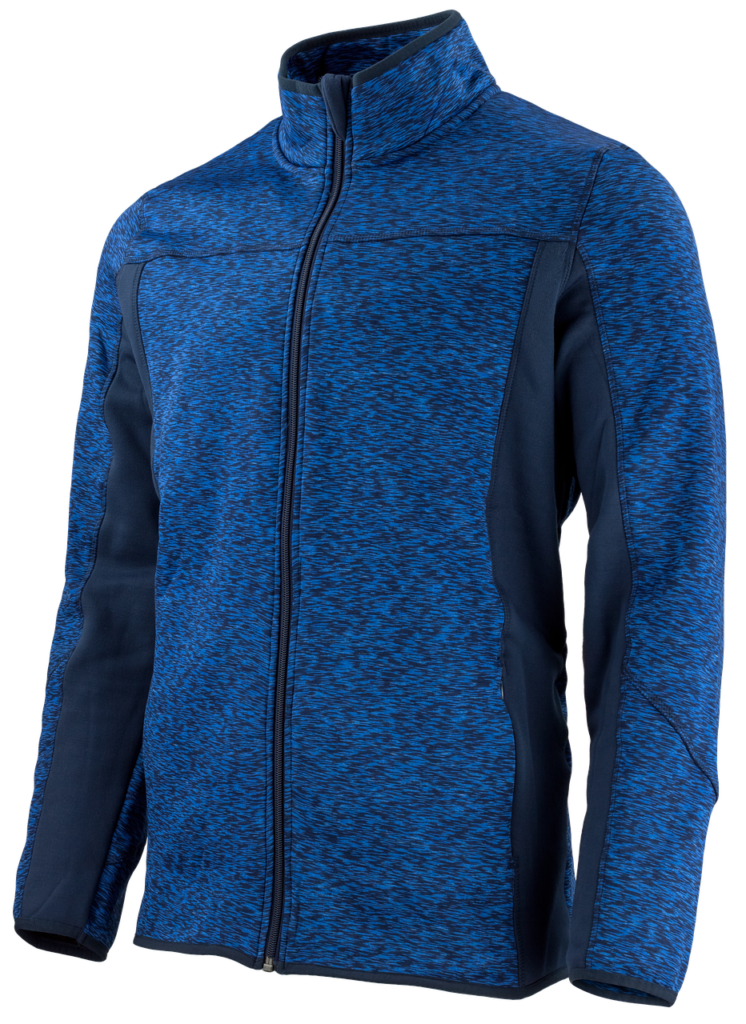
A fleece jacket is a type of insulating garment designed primarily to retain body heat while allowing moisture and excess heat to escape. It is most commonly made from synthetic fibers, usually polyester, engineered to trap air within the fabric structure. This trapped air acts as insulation, slowing down heat loss and helping the wearer stay warm in cool to cold conditions.
Fleece was originally developed as a lightweight alternative to traditional wool. Wool offered excellent warmth but came with drawbacks such as weight, slow drying times, and sensitivity to moisture. Fleece addressed many of these issues by providing similar thermal properties in a lighter, softer, and faster-drying form. Over time, it became a standard component of outdoor clothing systems and remains one of the most widely used insulating layers today.
Construction and Materials
Most fleece jackets are made from knitted polyester fabrics that are brushed on one or both sides. This brushing process creates a soft, fluffy surface that increases the fabric’s ability to trap air. The density and structure of the fleece determine its warmth and breathability. Lightweight fleeces use thinner fabrics with less loft, while heavier fleeces are thicker and offer greater insulation.
There are several common types of fleece, including microfleece, midweight fleece, and high-loft fleece. Microfleece is thin and lightweight, often used as a light mid-layer or for active use. Midweight fleece provides a balance between warmth and breathability and is the most versatile option. High-loft fleece, sometimes resembling thick wool or teddy-style fabrics, prioritizes warmth and comfort over compactness and wind resistance.
Despite these variations, all fleece jackets share the same core function: insulation through air retention. Unlike waterproof or windproof fabrics, fleece does not rely on membranes or coatings. Its performance comes from its structure rather than chemical treatments.
Primary Function in a Clothing System
Fleece jackets are best understood as insulating layers rather than protective shells. In most outdoor clothing systems, fleece is worn as a mid-layer, positioned between a base layer (which manages moisture) and an outer layer (which protects against wind and rain). In this role, fleece excels. It provides consistent warmth while allowing sweat vapor to move outward, helping regulate body temperature during activity.
In mild, dry, and low-wind conditions, a fleece jacket can also function as an outer layer. Many people wear fleece on cool autumn days, during light activity, or in urban settings where exposure to harsh weather is limited. However, this usage often leads to misconceptions about fleece performance, particularly when users expect it to protect against wind or precipitation.
Breathability and Moisture Management
One of fleece’s most significant strengths is breathability. Because the fabric structure is open and air-permeable, moisture vapor can escape easily. This makes fleece particularly comfortable during physical activity, where heat and sweat buildup can quickly lead to discomfort.
Fleece also performs well when wet. Unlike natural fibers such as cotton, polyester fleece absorbs very little water. Even when exposed to moisture from sweat or light precipitation, it retains much of its insulating ability and dries quickly. This characteristic makes fleece a reliable choice for activities with fluctuating intensity levels.
However, the same breathability that makes fleece comfortable also limits its protective capabilities. Wind passes through fleece easily, stripping away heat and reducing its effectiveness in exposed conditions. This trade-off is central to understanding when fleece is the right choice and when it is not.
Comfort and Everyday Use
Beyond technical performance, fleece is widely appreciated for its comfort. The fabric is soft against the skin, non-restrictive, and typically lightweight. It does not feel stiff or structured, which contributes to its popularity as casual wear. Many people choose fleece jackets for travel, daily commuting, or indoor use because they provide warmth without feeling heavy or bulky.
The flexibility of fleece also allows for easy layering. It can be worn over a thin base layer or under a shell without restricting movement. This adaptability makes it a favorite among users who value simplicity and comfort over weather resistance.
Limitations to Be Aware Of
Despite its advantages, fleece has clear limitations. Its lack of wind resistance is the most notable. In windy conditions, heat loss can be rapid, even if the air temperature is not particularly low. Fleece also offers no inherent water protection. While it dries quickly, it does not prevent rain or snow from penetrating the fabric.
Durability is another consideration. While fleece is suitable for everyday use, it can be prone to abrasion, especially in high-contact areas such as shoulders or elbows. Over time, pilling may occur, affecting appearance but usually not performance.
Summary of the Role of Fleece
A fleece jacket is best described as a reliable, breathable insulating layer designed for comfort and warmth in dry conditions. It excels in temperature regulation and moisture management but requires additional layers to handle wind and rain. When used within its intended role, fleece remains one of the most practical and versatile components of an outdoor wardrobe.
Advantages of Fleece
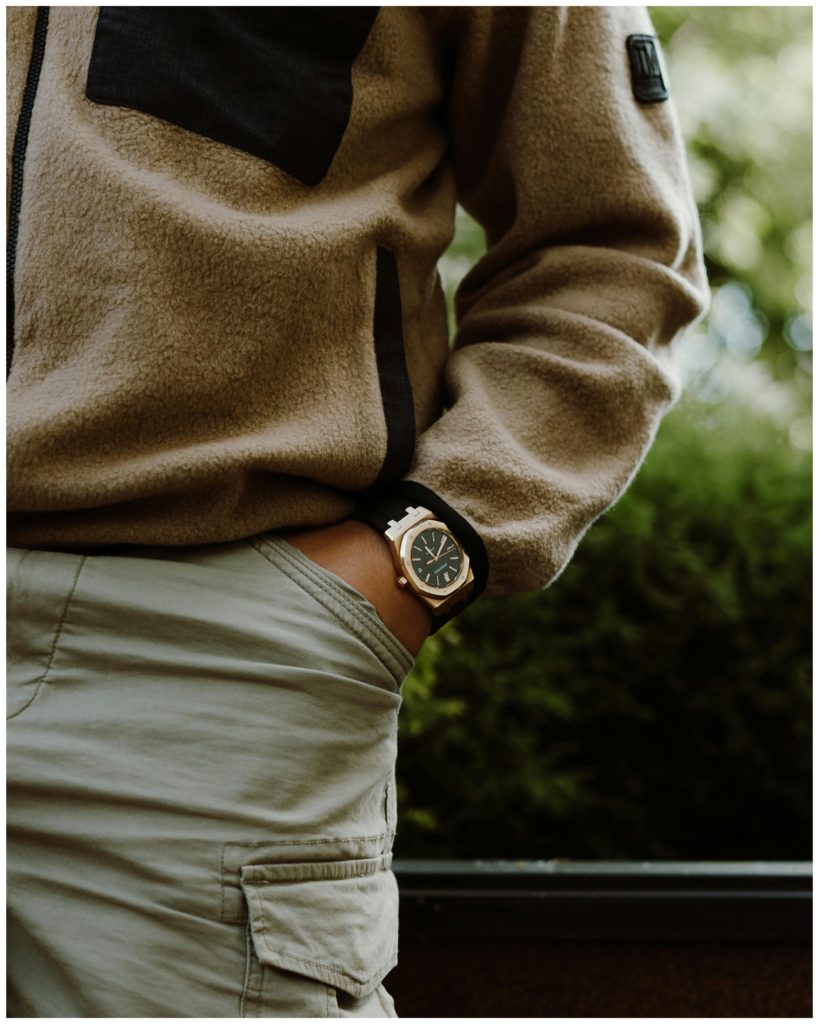
One of the main reasons fleece jackets have remained popular for so many years is their highly practical performance in everyday and outdoor conditions. While fleece may appear simple at first glance, its advantages are the result of a well-balanced combination of warmth, breathability, comfort, and ease of use. When evaluated within its intended role, fleece offers a number of strengths that are difficult to replicate with other materials.
Excellent Warmth-to-Weight Ratio
One of the most significant advantages of fleece is its ability to provide warmth without excessive weight. The fabric’s lofted structure traps air efficiently, creating insulation that helps maintain body temperature. Compared to many natural fibers, fleece achieves a similar level of warmth while remaining lighter and less bulky.
This makes fleece particularly appealing for users who value mobility and comfort. A fleece jacket can be worn for long periods without feeling heavy or restrictive, which is especially important during activities such as hiking, walking, or traveling. The low weight also makes fleece easy to pack, whether it is carried in a backpack as a spare layer or worn throughout the day.
High Breathability and Temperature Regulation
Breathability is one of fleece’s defining strengths. Unlike fabrics designed primarily for weather protection, fleece allows air and moisture vapor to pass through easily. This helps regulate body temperature during physical activity and reduces the risk of overheating.
When activity levels increase, excess heat and sweat can escape rather than becoming trapped inside the garment. This makes fleece particularly comfortable for stop-and-go activities, such as hiking with elevation changes, or for environments where temperatures fluctuate throughout the day.
Good breathability also means that fleece feels more forgiving than many insulated jackets. Users are less likely to feel clammy or uncomfortable, even if they slightly misjudge the required level of insulation.
Effective Moisture Management
Fleece performs well in situations where moisture is present, whether from sweat or light external exposure. Polyester fibers absorb very little water, which allows fleece to dry quickly and maintain insulation even when damp.
This characteristic is especially valuable during active use. Sweat buildup is common during physical exertion, and garments that retain moisture can quickly become uncomfortable. Fleece helps mitigate this problem by moving moisture away from the body and allowing it to evaporate efficiently.
Although fleece does not provide protection against rain, its ability to recover quickly after becoming wet contributes to overall comfort and reliability in dry or semi-dry conditions.
Comfort and Soft Feel
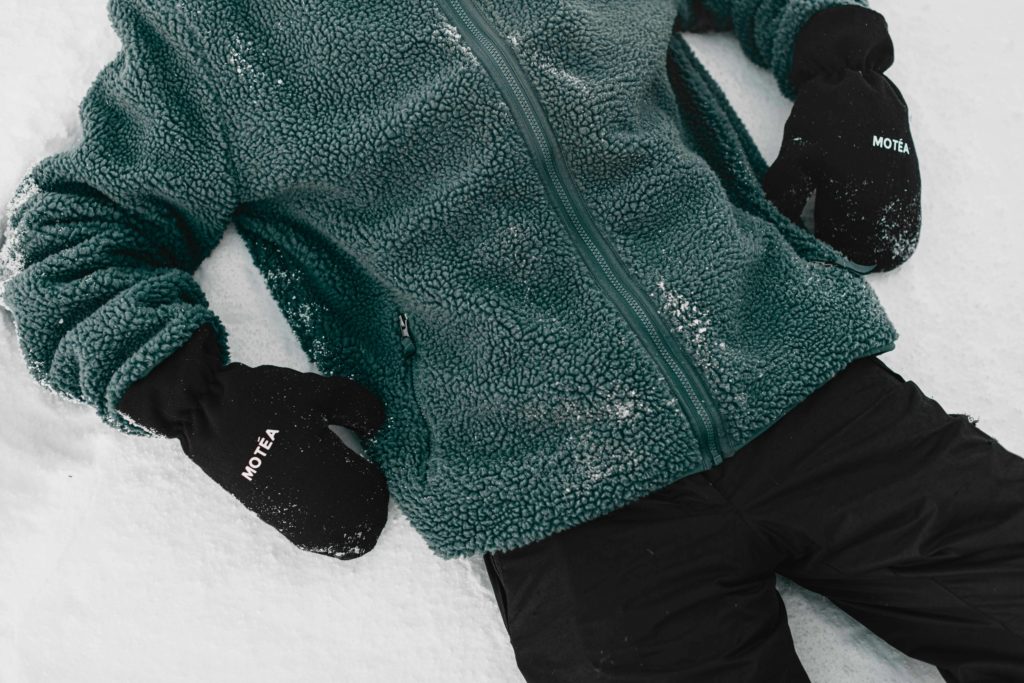
Another major advantage of fleece is its comfort. The fabric is soft to the touch and does not irritate the skin, making it suitable for wearing over a thin base layer or even directly against the skin in some cases. This comfort factor plays a large role in fleece’s popularity beyond purely technical outdoor use.
Fleece jackets are often chosen for casual wear, travel, and everyday activities precisely because they feel natural and unobtrusive. They do not restrict movement, require little adjustment, and adapt easily to different body positions and postures.
Versatility in Layering Systems
Fleece integrates exceptionally well into layering systems. It can be combined with a wide range of base layers and outer shells without compromising comfort or mobility. Whether worn under a waterproof jacket or over a lightweight thermal shirt, fleece maintains its insulating role effectively.
This versatility allows users to adapt their clothing to changing conditions without replacing entire outfits. A single fleece jacket can serve multiple purposes depending on how it is layered, making it a cost-effective and practical choice.
Ease of Care and Durability in Daily Use
From a practical standpoint, fleece is easy to maintain. It is machine washable, dries quickly, and does not require special care. Unlike down or delicate natural fibers, fleece is relatively forgiving when it comes to washing and storage.
While not the most abrasion-resistant material, fleece holds up well in everyday use. For most users, its durability is sufficient for regular wear, commuting, and moderate outdoor activities.
Affordability and Accessibility
Fleece jackets are generally more affordable than many technical outerwear options. This accessibility makes them attractive to a wide range of users, from beginners building their first outdoor wardrobe to experienced users looking for a reliable, low-cost insulating layer.
The wide availability of fleece across different brands and price ranges also means users can easily find a model that suits their needs, whether they prioritize performance, style, or budget.
Summary of Advantages
The strengths of fleece lie in its simplicity and effectiveness. It offers lightweight warmth, excellent breathability, comfort, and ease of use at a relatively low cost. When used as intended – primarily as an insulating layer in dry conditions – fleece remains one of the most practical and dependable options available.
Disadvantages of Fleece
While fleece jackets offer many practical benefits, they also have clear limitations that need to be understood in order to use them effectively. Many disappointments associated with fleece come not from flaws in the material itself, but from unrealistic expectations or incorrect use. Evaluating the disadvantages of fleece helps clarify where it performs poorly and why it is often combined with other layers rather than used on its own in demanding conditions.
Lack of Wind Resistance
The most significant drawback of fleece is its poor wind resistance. The same open structure that allows fleece to breathe so well also allows wind to pass through it easily. Even a light breeze can dramatically increase heat loss, making a fleece jacket feel much colder than expected.
In exposed environments such as mountain ridges, open fields, or coastal areas, this limitation becomes particularly noticeable. A fleece that feels warm in calm conditions can lose much of its insulating effectiveness once wind is introduced. This is why fleece is rarely recommended as a standalone outer layer in windy weather.
As a result, fleece often requires a wind-resistant shell to function properly in outdoor settings. Without that additional protection, its warmth advantage is quickly reduced.
No Protection Against Rain or Snow
Fleece offers no inherent protection against precipitation. It does not repel water and has no barrier to prevent rain or snow from penetrating the fabric. While it dries quickly and retains some warmth when wet, this does not compensate for the discomfort caused by sustained exposure to moisture.
In wet weather, fleece absorbs water between its fibers, becoming heavier and less comfortable. Prolonged exposure to rain can significantly reduce thermal comfort and increase the risk of chilling, especially in cooler temperatures.
This limitation means fleece should not be relied upon as an outer layer in unpredictable or wet conditions. Without a waterproof or water-resistant shell, fleece alone is insufficient for rain-prone environments.
Limited Use as an Outer Layer
Because of its lack of wind and water resistance, fleece is primarily designed as an insulating layer rather than a protective one. While it can be worn on its own in mild, dry, and calm conditions, its usefulness as an outer layer is limited.
Users who expect fleece to perform like a jacket designed for weather protection may find it inadequate. This is especially true during activities that involve exposure to changing weather, higher elevations, or prolonged time outdoors.
In practice, fleece works best when paired with another garment that provides external protection. This reliance on layering may be seen as a disadvantage for those seeking a single, all-purpose jacket.
Lower Durability in Abrasive Conditions
Although fleece is durable enough for everyday wear, it is not particularly resistant to abrasion. Contact with rough surfaces, backpack straps, or repeated friction can lead to pilling and fabric wear over time.
In technical outdoor activities such as climbing or scrambling, fleece may show signs of wear more quickly than fabrics designed with durability in mind. While this does not usually affect insulation performance, it can impact appearance and long-term lifespan.
For users who frequently carry heavy backpacks or engage in high-contact activities, fleece may require more frequent replacement compared to more robust outerwear options.
Heat Loss in Static Conditions with Wind
Fleece performs well during movement, but it can be less effective during static periods, especially when wind is present. For example, a fleece may feel comfortable while hiking uphill but insufficient during rest stops or while standing still.
This is a direct result of its limited ability to block convective heat loss. When activity slows down, the body produces less heat, and the lack of wind protection becomes more apparent.
In such scenarios, users often need to add another layer quickly to maintain warmth, which can be inconvenient if layering options are limited.
Less Structured Appearance
From a purely aesthetic perspective, fleece is sometimes perceived as less technical or less refined compared to other jacket types. Its soft, casual appearance may not suit all settings, particularly professional or urban environments where a more structured look is preferred.
While this is subjective and increasingly less relevant, it can influence purchasing decisions for users seeking a jacket that transitions seamlessly between outdoor and urban use.
Summary of Disadvantages
Fleece’s main weaknesses are directly linked to its strengths. Its open, breathable structure results in poor wind and water resistance, limiting its effectiveness as an outer layer. It also offers less durability in abrasive conditions and requires careful layering in challenging environments.
Understanding these limitations is essential to using fleece correctly. When treated as an insulating component rather than a protective jacket, its disadvantages become manageable and predictable rather than problematic.
What Is a Softshell Jacket?
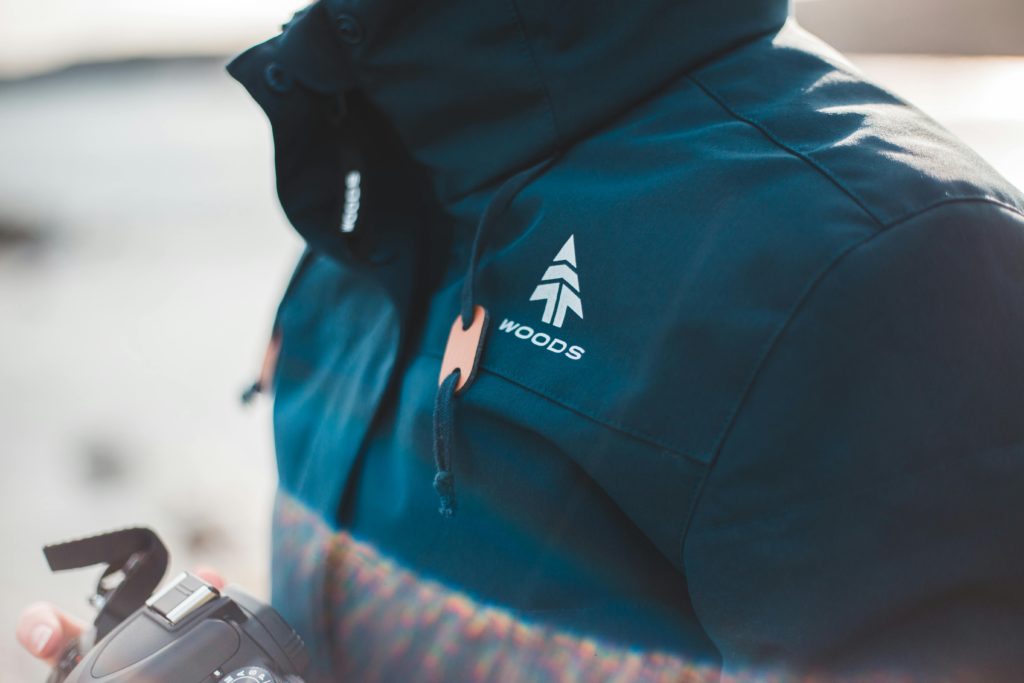
A softshell jacket is designed to bridge the gap between insulation and weather protection. Unlike fleece, which focuses primarily on warmth and breathability, a softshell aims to provide a balanced combination of moderate insulation, wind resistance, light water protection, and freedom of movement. This hybrid approach is what makes softshell jackets appealing to users who want a single garment capable of handling a wide range of conditions.
Softshell jackets emerged as an alternative to traditional hard-shell jackets, which offer excellent weather protection but often sacrifice comfort, breathability, and flexibility. At the same time, they address the shortcomings of fleece by adding resistance to wind and light precipitation. The result is a jacket that is often used as an outer layer during active pursuits in variable weather.
Construction and Materials
Softshell jackets are typically made from tightly woven synthetic fabrics, most commonly polyester or nylon blends. These fabrics are often combined with elastane or similar stretch fibers to improve flexibility and comfort. The outer surface is usually treated with a durable water repellent (DWR) finish, which causes light rain or snow to bead and roll off rather than soaking into the fabric.
Unlike fully waterproof jackets, most softshells do not rely on impermeable membranes. Instead, they use fabric density and surface treatments to block wind while maintaining a degree of breathability. Some softshell jackets do include membranes, but even these are generally more air-permeable than those found in hard-shell rain jackets.
The interior of a softshell jacket may be lightly lined with brushed fabric or fleece-like material to add comfort and a small amount of insulation. However, this insulation is usually minimal compared to dedicated insulating layers.
Intended Role and Use
Softshell jackets are primarily designed to be worn as outer layers. Their construction allows them to stand up to wind and light moisture without the need for an additional shell in many conditions. This makes them particularly well-suited for activities where continuous movement generates body heat, such as hiking, climbing, cycling, or ski touring.
The concept behind softshell design is comfort during motion. By prioritizing stretch and breathability over complete weatherproofing, softshell jackets aim to reduce the need for frequent layering adjustments. In practice, this means fewer stops to put on or remove layers as conditions or activity levels change.
Wind Resistance and Weather Protection
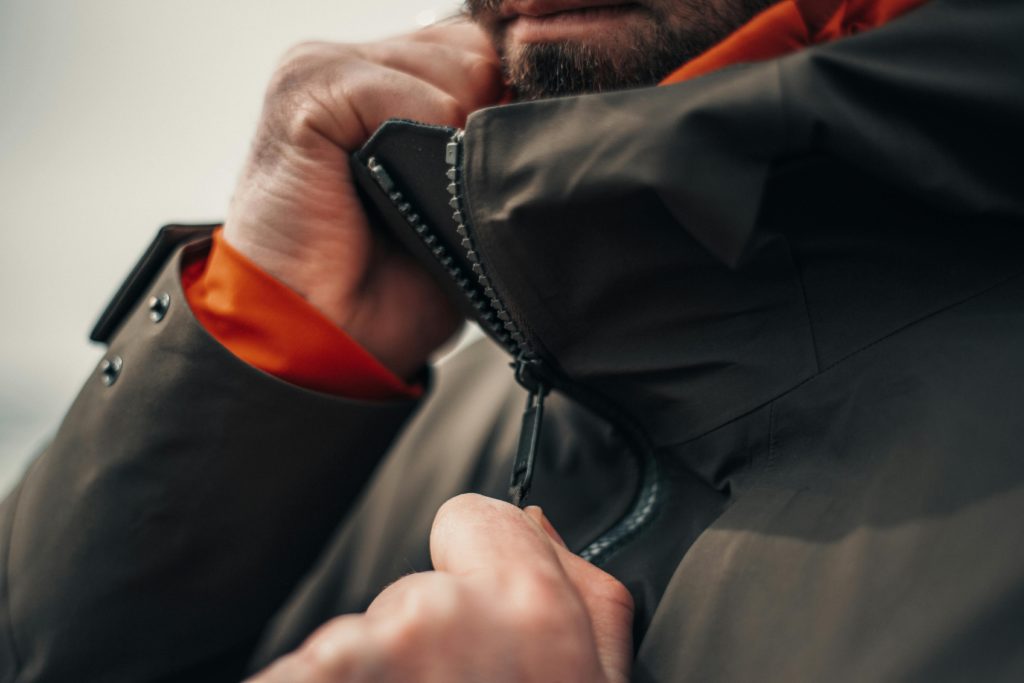
One of the defining characteristics of a softshell jacket is its ability to block wind. The tightly woven fabric significantly reduces air penetration, helping to retain warmth in exposed environments. This wind resistance is a major advantage over fleece, especially in open terrain or at higher elevations.
Softshell jackets also provide limited protection against precipitation. The DWR-treated surface can handle light rain, snow flurries, or short exposure to moisture. However, it is important to understand that softshells are not designed for sustained rain. Once the DWR wears off or moisture exposure increases, water will eventually penetrate the fabric.
This level of weather protection makes softshells ideal for dry climates, cold but stable weather, or situations where wind is a greater concern than heavy rain.
Breathability and Thermal Performance
Compared to fleece, softshell jackets are generally less breathable. The same fabric density that blocks wind also restricts airflow, which can lead to heat buildup during high-intensity activity. That said, most softshells still breathe better than fully waterproof jackets, making them a more comfortable option for active use.
In terms of warmth, softshell jackets provide modest insulation. They are typically warmer than a simple windbreaker but cooler than a fleece jacket of similar weight. This makes them suitable for mild to cool temperatures, especially when worn over an appropriate base layer.
Comfort, Fit, and Mobility
Softshell jackets are designed with movement in mind. The inclusion of stretch fibers allows the fabric to move with the body, reducing restriction during activities that involve reaching, climbing, or dynamic motion. This flexibility is one of the reasons softshells are popular among climbers and athletes.
The fit of a softshell is often more streamlined than that of fleece or insulated jackets. This reduces fabric flapping in the wind and improves overall efficiency during movement. However, the more structured feel of softshells can make them less cozy than fleece for casual or static use.
Versatility in Real-World Use
In everyday use, softshell jackets are often chosen for their clean appearance and practical performance. They tend to look more structured and technical than fleece, which allows them to transition more easily between outdoor activities and urban environments.
Their ability to handle wind and light rain without additional layers makes them appealing for commuters, travelers, and users who prefer simplicity. However, this versatility comes with the trade-off of reduced warmth and breathability compared to specialized layers.
Summary of the Role of Softshell Jackets
A softshell jacket is best described as a flexible outer layer designed for active use in variable but generally dry conditions. It prioritizes wind resistance, mobility, and moderate weather protection over maximum insulation or full waterproofing. When used within its intended scope, a softshell can significantly reduce the need for frequent layering and provide a comfortable balance between protection and performance.
Advantages of Softshell

Softshell jackets have gained popularity because they offer a level of versatility that many traditional jackets struggle to achieve. Their advantages come from a deliberate balance between protection, comfort, and mobility. While they do not excel in a single extreme category, their ability to perform well across a wide range of conditions makes them a valuable option for many users.
Strong Wind Resistance
One of the most important advantages of a softshell jacket is its ability to block wind. The tightly woven fabric significantly reduces air penetration, which helps maintain body heat in exposed environments. This makes softshells particularly effective in open terrain, higher elevations, or during activities where wind chill plays a major role in perceived temperature.
Compared to fleece, the difference in wind protection is immediately noticeable. A softshell allows the wearer to stay comfortable in conditions that would quickly become uncomfortable in a fleece without an additional shell layer.
Light Protection Against Rain and Snow
Softshell jackets are typically treated with a durable water repellent (DWR) finish, which provides resistance to light precipitation. This allows them to handle brief rain showers, snow flurries, or damp conditions without immediately becoming soaked.
While this does not replace a waterproof jacket, it does reduce the need to carry or wear one in stable weather conditions. For many users, this level of protection is sufficient for day-to-day outdoor activities, especially in climates where heavy rain is infrequent.
Freedom of Movement and Stretch
Mobility is a core strength of softshell jackets. The inclusion of stretch materials allows the fabric to move naturally with the body, reducing restriction during dynamic activities. This is especially valuable in sports such as climbing, hiking, cycling, or ski touring, where unrestricted movement improves both comfort and performance.
The stretch also contributes to a more athletic fit, helping the jacket stay close to the body without feeling tight. This improves thermal efficiency and reduces excess fabric movement in windy conditions.
Durability and Abrasion Resistance
Compared to fleece, softshell fabrics are generally more durable. The tightly woven outer layer resists abrasion from backpacks, rocks, and repeated contact with rough surfaces. This makes softshell jackets better suited for technical activities and frequent outdoor use.
This increased durability often translates into a longer lifespan, especially for users who regularly wear their jackets in demanding environments.
Reduced Need for Layering
Because softshell jackets combine moderate insulation with weather resistance, they can often replace multiple layers in mild to cool conditions. This simplifies clothing systems and reduces the need to frequently stop and adjust layers.
For users who prefer minimalism and efficiency, this is a significant advantage. A softshell can function as a single outer layer over a base layer for extended periods, provided conditions remain within its comfort range.
Clean, Versatile Appearance
Softshell jackets tend to have a more structured and technical appearance than fleece. This makes them easier to integrate into urban or professional environments without looking overly casual.
Many users appreciate this versatility, as it allows one jacket to serve both outdoor and everyday purposes. The balance between function and appearance is a subtle but meaningful advantage.
Summary of Advantages
The key strengths of softshell jackets lie in their wind resistance, mobility, durability, and all-around practicality. They offer a reliable balance of protection and comfort for active use in variable conditions, reducing the need for constant layering and adjustments. While not specialized for extreme weather, their versatility makes them a strong choice for users seeking a flexible outer layer.
Disadvantages of Softshell
Although softshell jackets are often praised for their versatility, they are not without limitations. Their hybrid nature means they are designed to perform well across many conditions rather than excel in one specific area. Understanding these disadvantages is essential to avoid unrealistic expectations and to determine when a softshell is not the best choice.
Limited Waterproof Performance
One of the most common misconceptions about softshell jackets is that they are waterproof. In reality, most softshells offer only water resistance, not full protection against rain. The durable water repellent (DWR) finish can handle light precipitation, but it will eventually fail under sustained or heavy rain.
Once the outer fabric becomes saturated, water can pass through to the inner layers, leading to discomfort and heat loss. In wet climates or during activities where prolonged exposure to rain is likely, a softshell alone is insufficient. In such cases, a dedicated waterproof shell is necessary.
Lower Insulation Compared to Fleece
Softshell jackets generally provide less warmth than fleece jackets of similar weight. While some models include light lining or brushed interiors, their primary focus is protection rather than insulation.
This makes softshells less suitable for cold conditions, especially during low-activity or static situations. Users may find that a softshell feels comfortable while moving but inadequate when stopping for breaks or in colder temperatures.
As a result, softshell jackets often require additional insulating layers in colder environments, which reduces their simplicity advantage.
Reduced Breathability During High-Intensity Activity
Although softshells are more breathable than fully waterproof jackets, they are still less breathable than fleece. The fabric density that provides wind resistance also restricts airflow.
During high-intensity activities such as uphill hiking or fast-paced cycling, this can lead to heat buildup and increased sweating. In warm or humid conditions, a softshell may feel stuffy compared to a fleece or lighter layer.
This limitation becomes more noticeable for users who generate a lot of body heat or prefer highly breathable clothing systems.
Heavier and Less Packable
Softshell jackets are typically heavier and bulkier than fleece jackets. The denser fabric and additional features such as reinforced panels or structured designs increase weight and reduce packability.
For users who prioritize minimal weight or need to carry their jacket in a backpack for extended periods, this can be a drawback. Fleece often compresses more easily and occupies less space.
Dependence on Fabric Treatments
The performance of a softshell jacket often relies heavily on its DWR treatment. Over time, this coating wears off due to washing, abrasion, and regular use. When this happens, the jacket’s ability to shed water decreases significantly.
Maintaining DWR performance requires periodic re-treatment, which adds an extra layer of maintenance. Users who prefer low-maintenance clothing may see this as a disadvantage.
Less Comfort for Casual or Indoor Use
Compared to fleece, softshell jackets can feel stiffer and less cozy. The structured fabric and tailored fit, while beneficial for outdoor performance, may reduce comfort during casual wear or indoor use.
For activities that involve extended periods of sitting, traveling, or indoor transitions, a fleece often feels more relaxed and comfortable.
Summary of Disadvantages
The disadvantages of softshell jackets stem from their attempt to balance multiple functions. They are not fully waterproof, provide limited insulation, and can feel less breathable during intense activity. They also require more maintenance and are generally heavier than fleece.
Fleece vs Softshell – Key Differences
Although fleece and softshell jackets are often grouped together as versatile outerwear options, their differences become very clear when they are compared directly across key performance areas. These differences explain why each garment excels in specific situations and why one cannot simply replace the other in all conditions. Understanding these contrasts helps users choose more deliberately rather than relying on general impressions or marketing claims.
Warmth and Thermal Insulation
When it comes to insulation, fleece generally provides more warmth than a softshell of comparable weight. Fleece is designed specifically to trap air and retain heat, making it more effective in cold conditions, particularly when worn as part of a layering system.
Softshell jackets, by contrast, offer only moderate insulation. Their primary focus is weather protection and mobility, not heat retention. While some softshells include light lining, they rarely match the thermal performance of fleece. In colder temperatures or during periods of low activity, fleece is the more reliable choice for maintaining warmth.
Breathability and Moisture Control
Fleece clearly outperforms softshell in terms of breathability. Its open structure allows heat and moisture to escape easily, making it more comfortable during high-intensity activities or fluctuating effort levels.
Softshell jackets, while more breathable than hard-shell jackets, still restrict airflow to a greater extent. During intense movement, this can lead to heat buildup and sweating. As a result, fleece is often preferred for activities where ventilation and temperature regulation are priorities.
Wind Protection
Wind resistance is one of the most defining differences between the two. Softshell jackets are designed to block wind effectively, significantly reducing heat loss in exposed conditions. This makes them far more suitable for windy environments.
Fleece offers almost no wind protection. Even a mild breeze can reduce its insulating effectiveness. In windy conditions, fleece requires an additional outer layer to perform adequately.
Weather Resistance
Softshell jackets provide a clear advantage when it comes to handling light precipitation. Their water-repellent treatment allows them to shed light rain and snow, offering short-term protection without the need for a waterproof shell.
Fleece does not provide any meaningful protection against rain or snow. While it dries quickly, it becomes uncomfortable when exposed to moisture and cannot prevent water from reaching inner layers.
Durability and Resistance to Wear
Softshell jackets are generally more durable and resistant to abrasion. Their tightly woven fabrics withstand friction from backpacks, rocks, and repeated outdoor use more effectively than fleece.
Fleece is softer and more prone to pilling and surface wear. While this does not usually affect warmth, it can shorten the garment’s lifespan in demanding conditions.
Comfort and Feel
In terms of comfort, fleece has a softer, more relaxed feel. It is comfortable for long periods, casual wear, and indoor use. Softshell jackets feel more structured and technical, which can be less cozy but more efficient during movement.
This difference often influences personal preference, especially for users who value comfort over technical performance.
Weight and Packability
Fleece jackets are typically lighter and more compressible. They pack down easily and are convenient to carry as spare layers.
Softshell jackets tend to be heavier and bulkier, which can be a disadvantage for weight-conscious users or minimalist packing strategies.
Summary of Key Differences
In direct comparison, fleece excels in warmth, breathability, comfort, and packability, while softshell jackets outperform fleece in wind resistance, durability, and light weather protection. Neither option is universally better; each is optimized for different priorities and conditions.
When to Choose Fleece

Choosing a fleece jacket makes the most sense in situations where warmth, breathability, and comfort are more important than protection from wind or rain. Fleece performs best in controlled or predictable conditions and in clothing systems where it can be supported by other layers. Understanding when fleece truly shines helps avoid frustration and allows users to take full advantage of its strengths.
Cold and Dry Weather Conditions
Fleece is an excellent choice in cold, dry environments where wind is minimal. In such conditions, its ability to trap heat and regulate temperature becomes its greatest asset. When there is little risk of precipitation and limited exposure to strong wind, fleece can provide consistent warmth without the need for heavy or restrictive garments.
This makes fleece particularly suitable for inland climates, winter days with stable weather, and environments where cold temperatures are not accompanied by harsh wind or rain.
As a Mid-Layer in Layering Systems
One of the most effective uses of fleece is as a mid-layer. Worn between a base layer and an outer shell, fleece provides insulation while allowing moisture to move outward. In this configuration, its weaknesses are largely mitigated by the protective outer layer.
This setup is common in hiking, trekking, mountaineering, and skiing. A fleece mid-layer can be adjusted easily depending on temperature and activity level, offering flexibility throughout the day.
Activities with Variable Intensity
Fleece excels during activities that involve changing levels of exertion. For example, during hiking routes with ascents and descents, fleece helps regulate body temperature by releasing excess heat during exertion and retaining warmth during rest periods.
Because fleece breathes so well, it reduces the risk of overheating, which is especially important during prolonged physical activity.
Indoor and Transitional Use
Fleece is particularly comfortable for situations that involve moving between indoor and outdoor environments. Its soft feel and moderate warmth make it ideal for travel, commuting, or casual wear where frequent temperature changes occur.
In these contexts, fleece provides warmth without feeling oppressive indoors, unlike more weather-resistant jackets that can feel stiff or overly warm.
Everyday and Casual Wear
Beyond technical outdoor use, fleece is widely chosen for everyday activities. Its comfort, ease of care, and relaxed appearance make it suitable for daily wear, errands, and leisure time.
For users who prioritize comfort and warmth over technical performance, fleece often becomes a go-to garment.
Situations Where Simplicity Matters
Fleece is also a good choice for users who prefer simple, low-maintenance clothing. It does not require special care, does not rely on coatings, and performs consistently without the need for regular treatment.
In scenarios where ease of use and reliability matter more than weather resistance, fleece is a practical option.
Summary: Ideal Scenarios for Fleece
Fleece is best chosen for cold and dry conditions, activities with variable intensity, and situations where breathability and comfort are priorities. It performs especially well as part of a layering system and in everyday use. When wind and rain are not major concerns, fleece remains one of the most comfortable and dependable options available.
When to Choose Softshell
A softshell jacket is the better choice in situations where protection from wind, light precipitation, and external conditions is more important than maximum insulation or breathability. Softshells perform best in environments that are changeable, exposed, or physically demanding, where a balance between comfort and weather resistance is required.
Windy and Exposed Conditions
Softshell jackets are particularly effective in windy environments. Whether on open ridgelines, coastal trails, or high-altitude terrain, wind can quickly strip away body heat. The wind-resistant construction of a softshell significantly reduces this effect, helping maintain comfort even in relatively cool temperatures.
In such conditions, a fleece alone would require an additional shell layer, whereas a softshell can often function effectively as a standalone outer layer.
Mild to Cool Temperatures
Softshells are best suited for mild to cool conditions rather than extreme cold. Their moderate insulation works well when body heat is generated through movement. In these temperature ranges, fleece may feel too warm, especially during high-output activities.
For spring, autumn, or cool summer days, a softshell often provides the right balance between warmth and ventilation.
High-Intensity Outdoor Activities

Softshell jackets excel during activities that require continuous movement and freedom of motion. Hiking, climbing, cycling, ski touring, and similar sports benefit from the stretch, durability, and streamlined fit of a softshell.
The jacket stays close to the body, resists flapping in the wind, and moves naturally with the wearer. This improves efficiency and comfort during demanding physical activity.
Variable and Unpredictable Weather
In situations where weather conditions are uncertain but heavy rain is unlikely, a softshell offers practical protection. Light rain, snow flurries, or damp conditions can be handled without immediately adding a waterproof layer.
This makes softshells particularly useful for day trips and activities where carrying multiple layers may not be desirable.
Technical and Abrasive Environments
Softshell jackets are a strong choice for environments where durability matters. Rocky terrain, climbing routes, and frequent backpack use place stress on outerwear. Softshell fabrics are better suited to withstand this wear compared to fleece.
For users who prioritize longevity and resistance to damage, softshell jackets provide a more robust solution.
Urban and Mixed-Use Scenarios
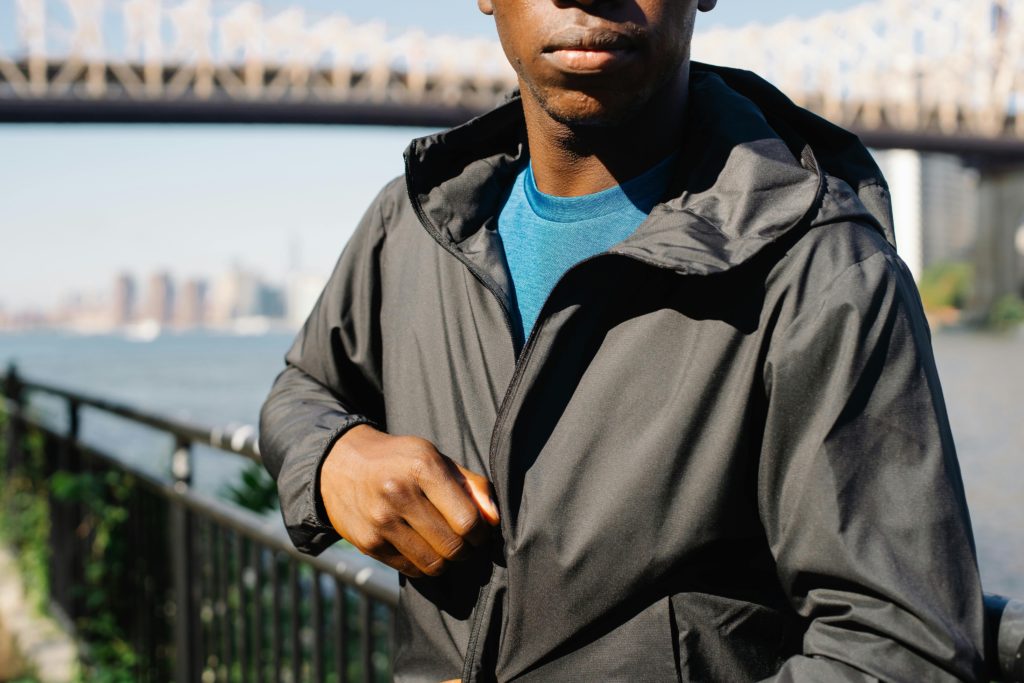
Softshell jackets also perform well in urban settings and mixed-use scenarios. Their cleaner, more structured appearance allows them to transition easily between outdoor and everyday environments.
For commuting, travel, or daily wear in unpredictable weather, a softshell can provide a good balance of functionality and style.
Summary: Ideal Scenarios for Softshell
Softshell jackets are best chosen for windy, exposed conditions, high-intensity activities, and environments with variable weather. They offer durability, mobility, and light weather protection, making them a reliable outer layer when adaptability and efficiency are key.
Review-Style Insights
Beyond technical specifications and theoretical use cases, the true value of fleece and softshell jackets becomes clear through real-world use. Review-style insights focus on how these garments perform over time, how they feel during extended wear, and how well they adapt to everyday situations. This perspective reflects how users actually evaluate their clothing after weeks or months of use, rather than how the products perform under ideal conditions.
Long-Term Comfort in Daily Use
In everyday wear, fleece jackets consistently score highly for comfort. Their soft texture, lightweight feel, and non-restrictive design make them easy to wear for long periods. Users often describe fleece as “forgetting it’s there,” which is a significant advantage for travel, commuting, or casual use.
Softshell jackets, while comfortable during movement, can feel more structured and less relaxed during extended static wear. This is not necessarily a flaw, but it does influence how often the jacket is chosen for non-technical situations. For users who prioritize comfort above all else, fleece tends to see more frequent use.
Performance During Active Use
During physical activity, the differences between fleece and softshell become more pronounced. Fleece performs exceptionally well when effort levels fluctuate. It allows excess heat to escape quickly, reducing overheating during uphill climbs or fast-paced movement.
Softshell jackets, by contrast, perform best when conditions remain relatively consistent. They shine in windy environments and during steady movement, but may require ventilation adjustments or layer changes during intense exertion. Users who engage in high-output activities often note that softshells feel most effective in cool, breezy conditions rather than warm or humid ones.
Adaptability to Changing Conditions
Fleece is highly adaptable within a layering system. Users appreciate how easily it integrates with other layers, allowing for quick adjustments as weather or activity levels change. This adaptability makes fleece a reliable option for longer trips and unpredictable schedules.
Softshell jackets offer adaptability in a different way. By combining multiple functions into one garment, they reduce the need for frequent layer changes. However, when conditions exceed their comfort range – such as heavy rain or sudden temperature drops – their limitations become more apparent.
Durability Over Time
In terms of durability, softshell jackets generally receive higher marks. They maintain their structure, resist abrasion, and handle repeated outdoor use well. Many users report that softshells retain their performance and appearance longer, especially in demanding environments.
Fleece jackets, while durable enough for everyday use, often show signs of wear sooner. Pilling and fabric thinning are common over time. While this rarely affects insulation, it can influence perceived quality and lifespan.
Value for Money
From a value perspective, fleece jackets are often seen as a safe and cost-effective choice. Their lower price point, combined with comfort and versatility, makes them appealing to a broad audience.
Softshell jackets usually represent a higher investment. Users tend to feel most satisfied with their purchase when the jacket is used in conditions that match its strengths. When used outside its intended scope, the higher cost may feel less justified.
Overall User Satisfaction
User satisfaction with both fleece and softshell jackets is generally high when expectations align with performance. Fleece is praised for comfort, warmth, and simplicity, while softshells are valued for protection, durability, and efficiency during active use.
Negative reviews most often stem from misunderstanding the role of each garment rather than from inherent flaws. Users expecting fleece to block wind or softshells to handle heavy rain are more likely to be disappointed.
Summary of Review-Style Insights
In real-world use, fleece and softshell jackets satisfy different priorities. Fleece excels in comfort, breathability, and everyday usability, while softshells stand out for durability, wind resistance, and performance in exposed conditions. Long-term satisfaction depends largely on choosing the right tool for the right environment.
Conclusion
The comparison between fleece and softshell jackets clearly shows that the question “Which is better?” cannot be answered without considering context. These two types of jackets are designed with different priorities in mind, and each excels in situations that align with its intended purpose. Treating them as direct replacements for one another often leads to frustration, while understanding their roles leads to better comfort and performance.
Fleece jackets are fundamentally insulation layers. Their greatest strengths lie in warmth, breathability, and comfort. They perform exceptionally well in cold and dry conditions, during activities with variable intensity, and as part of a layered clothing system. Fleece is easy to wear, easy to maintain, and highly adaptable, making it a reliable choice for both outdoor use and everyday situations. However, its lack of wind and weather protection means it depends heavily on additional layers in exposed environments.
Softshell jackets, on the other hand, are designed as versatile outer layers. They prioritize wind resistance, durability, and freedom of movement while offering light protection against rain and snow. Softshells are best suited for active use in windy, mild to cool conditions where consistent movement generates body heat. They reduce the need for constant layering and perform well in environments where weather protection is needed but full waterproofing is not essential.
Rather than competing directly, fleece and softshell jackets often complement each other. Many experienced users include both in their wardrobe, choosing fleece for insulation and comfort, and softshells for protection and durability. In some cases, they are even worn together, with fleece providing warmth and softshell serving as the protective outer layer.
The key takeaway is that neither fleece nor softshell is universally better. The right choice depends on temperature, wind, precipitation, activity level, and personal preferences. By understanding these factors, users can select the jacket that best supports their needs instead of relying on general labels or marketing promises.
Ultimately, the best jacket is the one that matches the conditions you face and the way you move. When fleece and softshell are used as intended, both prove to be highly effective, dependable, and valuable components of a functional clothing system.