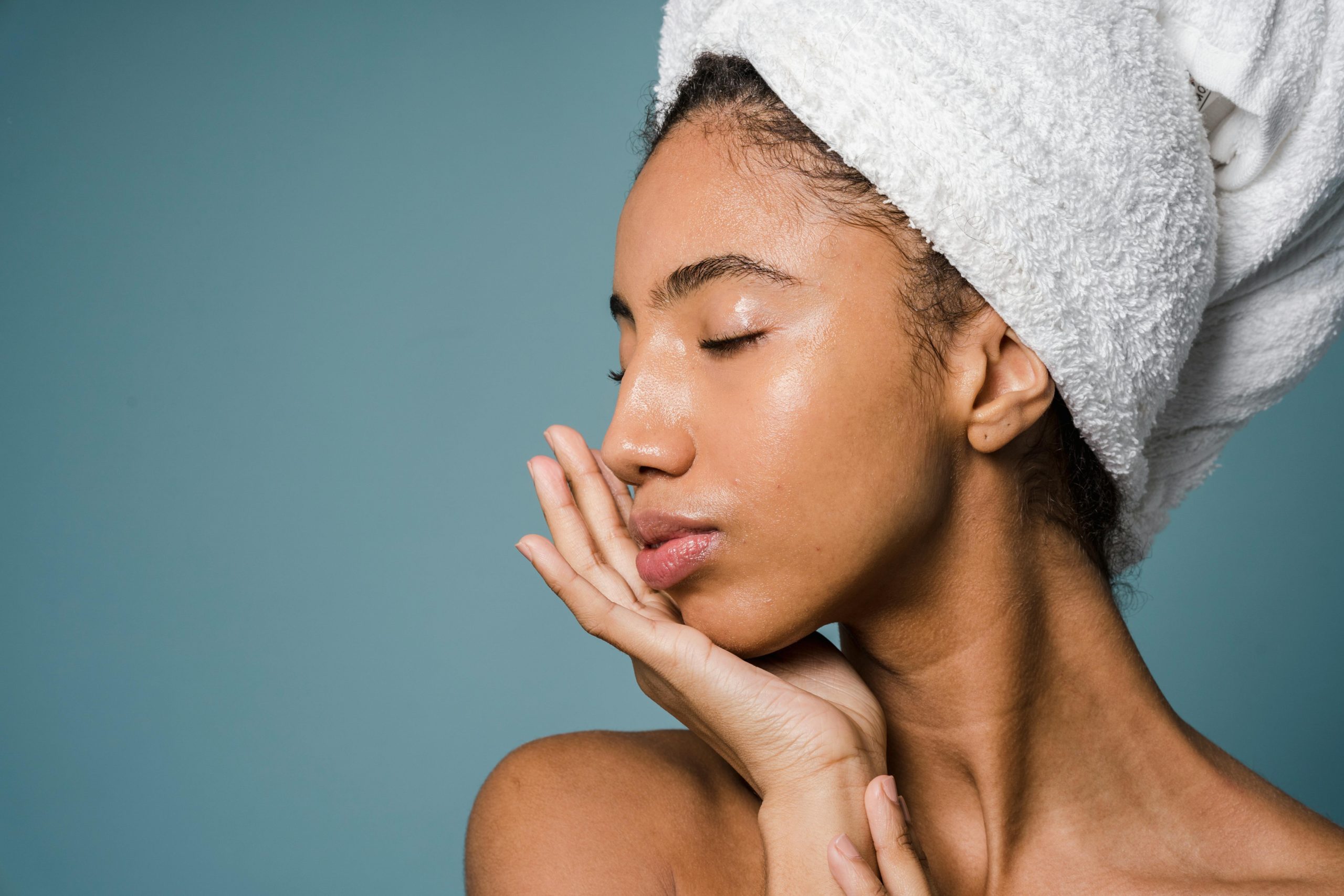
Healthy skin doesn’t require a cabinet full of expensive products. Small, consistent habits and a handful of natural, well-chosen remedies can make a big difference. This article breaks the topic into practical sections you can follow at home: daily care basics, natural ingredient treatments, nutrition and hydration, lifestyle factors, and targeted remedies for common concerns. Each section is packed with clear explanations, step-by-step tips, and safety notes so you can use these ideas with confidence.
Daily Skincare Basics: Cleanse, Moisturize, and Protect
Healthy skin starts with a reliable daily routine that respects your skin’s natural balance. Cleansing, moisturizing, and sun protection are the three pillars. A gentle cleanser removes dirt, oil, and makeup without stripping away the lipids that keep your skin barrier intact. Choose a mild sulfate-free cleanser and wash your face twice a day—morning and evening. If you exercise or sweat heavily, cleanse after those activities as well.
Moisturizing is often misunderstood. It’s not just for dry skin; everyone benefits from a moisturizer that locks in hydration and supports barrier function. For daytime, a lightweight, non-comedogenic moisturizer works well under makeup and sunscreen. At night, a richer cream or an occlusive balm can help repair the skin while you sleep. Look for ingredients like glycerin, hyaluronic acid, ceramides, and fatty acids—these attract and retain moisture and help restore damaged skin.
Sun protection is non-negotiable. UV exposure accelerates aging, causes pigmentation, and increases the risk of skin cancer. Apply a broad-spectrum sunscreen with at least SPF 30 every morning, even on cloudy days. Reapply every two hours when outdoors and after swimming or heavy sweating. Physical (mineral) sunscreens with zinc oxide or titanium dioxide are less likely to irritate sensitive skin, while chemical sunscreens can be lighter in texture for daily wear. Wearing a hat and seeking shade during peak sun hours further reduces exposure.
Additional daily habits support these basics: use lukewarm water rather than hot water, pat skin dry gently with a towel, avoid over-exfoliating (limit scrubs or acids to 1–3 times weekly depending on tolerance), and layer products from thinnest to thickest. If you use active ingredients like retinoids or acids, introduce them slowly and pair with hydration to reduce irritation. A simple, consistent routine often yields better results than frequently switching products.
Natural Ingredients and DIY Masks: Safe, Effective, and Simple
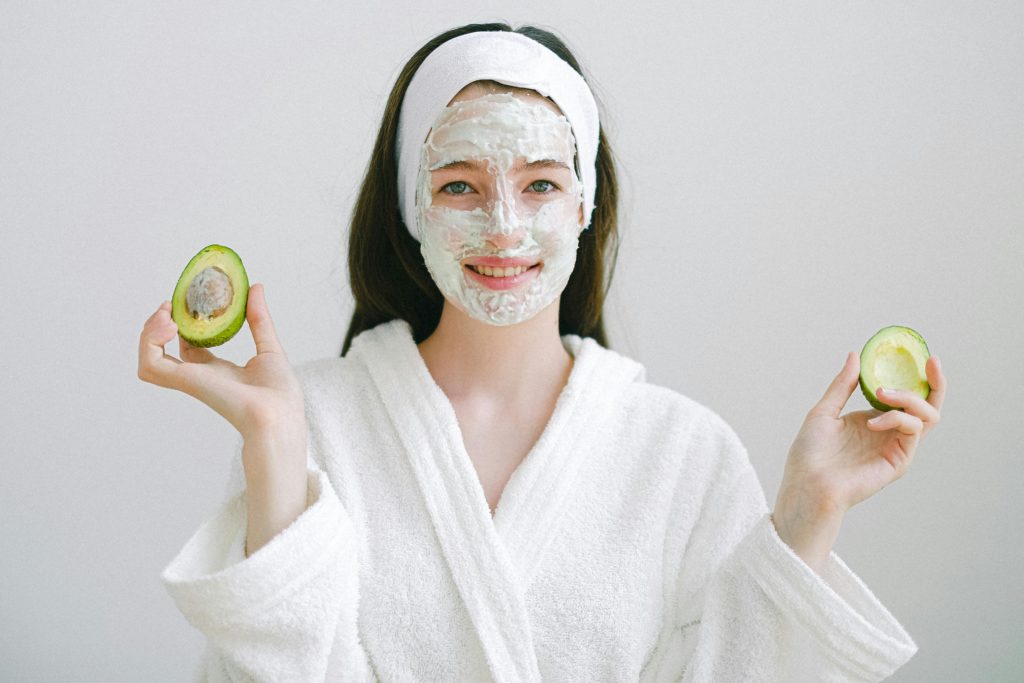
Many natural ingredients offer soothing, anti-inflammatory, and moisturizing benefits when used properly. Honey is an excellent example: it’s antimicrobial, humectant (draws moisture), and can calm inflamed skin. A thin layer of raw honey left on the face for 10–15 minutes can help with minor breakouts and dryness; rinse with warm water and follow with moisturizer. Oatmeal is another versatile ingredient—colloidal oatmeal soothes irritation, reduces redness, and gently cleanses. Add finely ground oats to a warm bath or mix with water to form a calming paste for face masks.
Yogurt, with its natural lactic acid, offers mild exfoliation and hydration. When applied as a 10–15 minute mask, it helps slough off dull cells without harsh abrasion. For hydration, aloe vera gel is widely praised for soothing sunburns, calming inflammation, and supporting healing. Use pure aloe vera from the plant or a bottle with minimal additives; patch-test first if you have sensitive skin.
Avocado and oils provide nourishing fatty acids. A mashed avocado mask mixed with a teaspoon of olive or almond oil can be a rich, replenishing treatment for very dry skin. However, oil-based masks can be comedogenic for acne-prone individuals, so choose lighter, non-comedogenic oils like squalane or grapeseed if you are prone to breakouts. Green tea, rich in polyphenols, can be brewed and cooled to use as a toner or mixed into masks for antioxidant benefits and reduced redness.
Preparation and safety matter. Always perform a patch test on the inside of your wrist or behind the ear before applying any new ingredient to your face. Keep DIY mixtures fresh—avoid using perishable ingredients for extended periods and store in the refrigerator for no more than a day or two. Avoid combining active ingredients in ways that increase irritation, for example mixing retinoids with strong exfoliants. For inspiration and reliable formulations, look to reputable health sources; for clinical perspectives, sites like Mayo Clinic provide evidence-based guidance. Natural treatments work best when tailored to your skin type and used consistently with basic skincare principles.
Nutrition and Hydration: What You Eat and Drink Matters

Skin reflects internal health, so a balanced diet and proper hydration are foundational. Water supports circulation, detoxification, and cellular function—drink regularly throughout the day rather than trying to “catch up” in large amounts. Hydration needs vary, but a practical approach is to sip water consistently, eat water-rich foods like cucumbers, melons, and leafy greens, and monitor urine color for hydration status (pale straw color suggests adequate hydration).
Essential fatty acids, particularly omega-3s, play an important role in maintaining the skin barrier and reducing inflammation. Include sources such as fatty fish (salmon, mackerel), walnuts, chia seeds, and flaxseeds. If you follow a plant-based diet, consider a microalgae-derived DHA supplement to support skin and overall health. Antioxidant-rich foods like berries, dark leafy greens, colorful vegetables, and green tea help neutralize free radicals that contribute to premature aging and dull skin. Vitamin C supports collagen production and skin repair, so include citrus fruits, bell peppers, and kiwi.
Protein is essential for tissue repair; make sure you consume adequate high-quality protein from legumes, lean meats, dairy, or plant-based alternatives. Collagen supplements have gained popularity; while research is mixed, some studies suggest hydrolyzed collagen may support skin elasticity when combined with vitamin C. Limit high-glycemic foods and sugary snacks if you notice breakouts correlating with those choices—spikes in blood sugar can influence sebum production and inflammation.
Alcohol and excessive caffeine can dehydrate the skin and impair sleep, so moderate consumption is wise. Probiotics and fermented foods may support skin through gut-skin connections; yogurt, kefir, sauerkraut, and kombucha can be helpful for some people. If you have specific nutrient concerns—iron, zinc, vitamin D—consult a healthcare professional and consider testing before supplementing. For evidence-based dietary advice tailored to conditions like eczema or rosacea, trusted resources such as the NHS provide clear guidance. Balanced eating, attentive hydration, and mindful supplementation when needed give your skin the internal support it needs to look and feel healthy.
Lifestyle Factors: Sleep, Stress, Exercise, and Habits That Help or Harm

Skin health is deeply tied to everyday habits. Sleep is especially important: during deep sleep, the body repairs and regenerates tissues, including the skin. Aim for consistent sleep schedules and 7–9 hours per night, and create a bedtime routine that supports restful sleep—dim lights, limited screens, and calming activities. Poor or irregular sleep contributes to inflammation, worsens acne and eczema, and accelerates signs of aging like fine lines and dullness.
Stress management affects the skin by influencing hormones such as cortisol, which can increase oil production and inflammation. Incorporate stress-reduction practices that fit your life: brief breathing exercises, short walks, meditation, journaling, or hobbies that promote relaxation. Even small, daily breaks reduce chronic stress levels and support clearer skin.
Regular exercise boosts circulation, which helps nourish skin cells and remove waste products. Exercise also reduces stress and improves sleep quality. After workouts, wash your face to remove sweat and prevent pore congestion, and apply a light moisturizer if your skin tends toward dryness. Smoking and excessive alcohol are major skin aggressors—smoking narrows blood vessels, reduces oxygen and nutrient delivery, and speeds collagen breakdown; quitting tobacco is one of the most effective steps to improve skin aging. Limit alcohol intake to support hydration, sleep, and skin clarity.
Other practical habits include changing pillowcases regularly to reduce oil and bacterial buildup, cleansing makeup brushes weekly, and avoiding touching your face with unwashed hands. If you use fragrances or heavy products and notice irritation, simplify your routine and choose fragrance-free options. Finally, be patient: lifestyle changes take weeks to months to show meaningful skin results. Consistency is the multiplier—healthy habits build on each other and provide lasting improvement beyond any single remedy.
Targeted Home Remedies for Common Skin Concerns and When to Seek Professional Help

Home remedies can be effective for many common skin issues, but knowing which to try and when to consult a professional is key. For acne: gentle cleansing twice daily, non-comedogenic moisturizers, and spot treatments with benzoyl peroxide or salicylic acid can help. Natural options like diluted tea tree oil (patch-tested) or a honey mask may reduce mild breakouts. Avoid aggressively scrubbing or picking lesions, as this increases inflammation and scarring. If acne is widespread, painful, or causing deep scarring, seek dermatologic care for prescription options.
Dry, flaky skin often responds well to regular moisturizing, short lukewarm showers, and occlusive agents like petroleum jelly or thicker balms overnight. Oatmeal baths and gentle cleansing can relieve itchiness. For eczema, look for fragrance-free, ceramide-rich products and identify triggers (fabric, soaps, stress). If over-the-counter approaches fail or if the skin is weeping or infected, professional treatment is necessary.
Redness and rosacea-like symptoms can improve with gentle care: avoid hot water, heavy exfoliation, and known trigger foods (spicy dishes, alcohol). Green-tinted primers or light-coverage makeup can camouflage redness while you address it. Persistent flushing, visible blood vessels, or papulopustular lesions should be evaluated by a dermatologist.
Dark circles and puffiness under the eyes often stem from poor sleep, allergies, or genetics. Cold compresses, reducing salt before bed, and addressing allergies can help. Eye creams with caffeine or mild retinoids may reduce puffiness and improve texture over time, but results are gradual. For sudden, severe changes—rapid swelling, significant pain, spreading redness, or pus—you should seek immediate medical attention.
Finally, safety first: always patch-test new remedies, use sun protection when using photosensitizing ingredients (like citrus or retinoids), and stop use if irritation occurs. If you’re unsure or dealing with persistent, worsening, or unusual skin problems, consult a dermatologist. Trusted health resources and professional guidance complement home remedies; find more about evidence-based skin care on reputable sites and consider booking a professional if needed. For more general wellness content and related articles, visit Geekub.com.
Healthy skin is built from simple, consistent choices: a reliable daily routine, thoughtful natural treatments, balanced nutrition, supportive lifestyle habits, and the wisdom to seek professional care when necessary. Start with one change, be gentle, and give your skin time to respond. Over weeks and months you’ll notice clearer, more resilient, and happier skin.