Spain is one of Europe’s most diverse and fascinating countries, offering an extraordinary mix of history, culture, landscapes, and lifestyles. Few places in the world combine ancient civilizations, vibrant modern cities, dramatic natural scenery, and such a strong sense of regional identity. Traveling through Spain often feels like visiting several countries in one, each with its own traditions, cuisine, language influences, and rhythm of life.
What makes Spain especially worth visiting is not just the number of famous landmarks, but the depth behind them. Roman ruins, Moorish palaces, medieval towns, avant-garde architecture, world-class museums, and some of Europe’s most beautiful coastlines coexist within one country. Below is a comprehensive and honest guide to what is truly worth seeing in Spain, designed to give a full picture rather than a simple checklist.
Spain’s Great Cities: Culture, History, and Everyday Life
Madrid – The Cultural and Political Heart of Spain
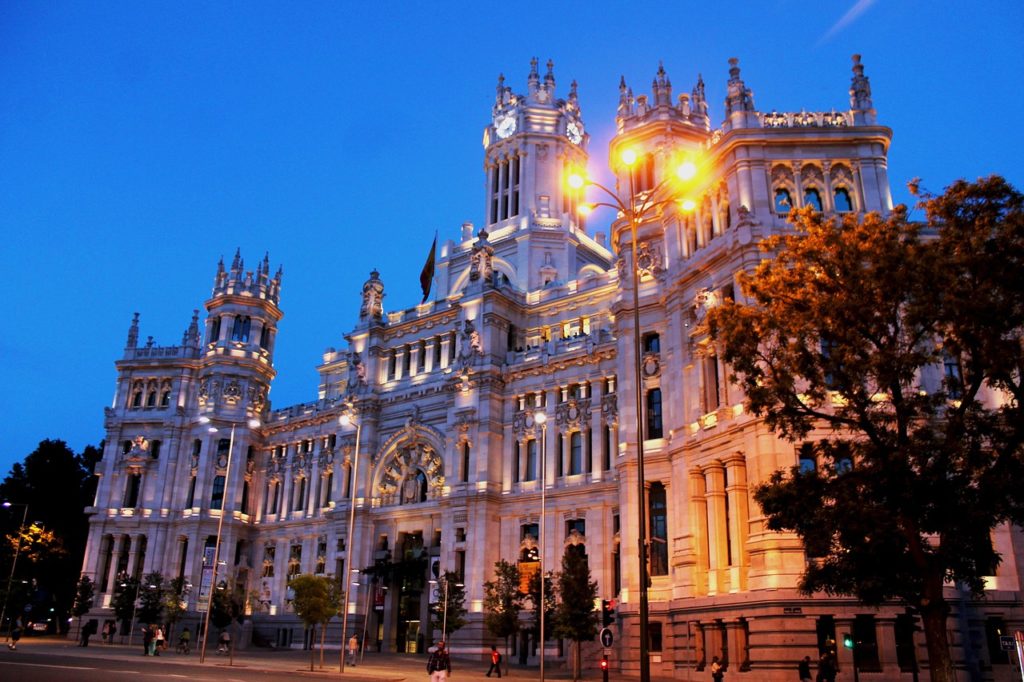
Madrid may not sit by the sea, but it represents the soul of modern Spain. As the capital, it blends royal history with an energetic, contemporary lifestyle. The Royal Palace is one of the largest in Europe, offering insight into Spain’s monarchy and political past. Nearby, Plaza Mayor and Puerta del Sol remain central meeting points for both locals and visitors.
Madrid is also a cultural powerhouse. The so-called “Golden Triangle of Art” – the Prado Museum, Reina Sofía, and Thyssen-Bornemisza – houses masterpieces by Velázquez, Goya, Picasso, Dalí, and many others. Beyond museums, Madrid’s appeal lies in its neighborhoods. Areas like Malasaña, La Latina, and Chueca are full of small bars, markets, and late-night life. The city’s energy peaks in the evening, when people gather for tapas, conversation, and long walks.
Barcelona – Architecture, Creativity, and the Mediterranean
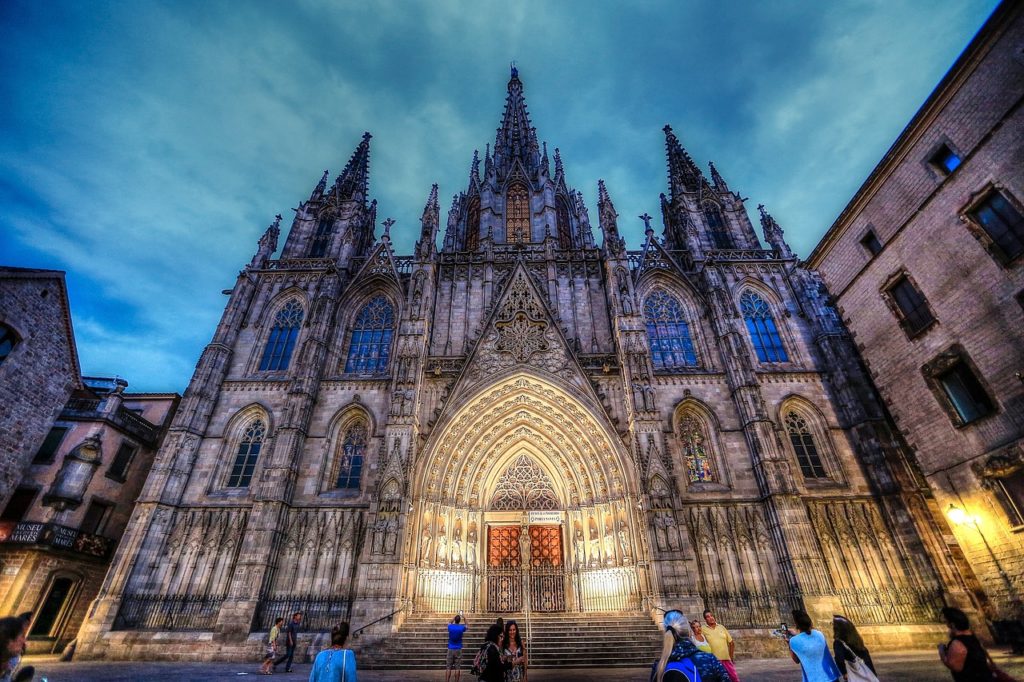
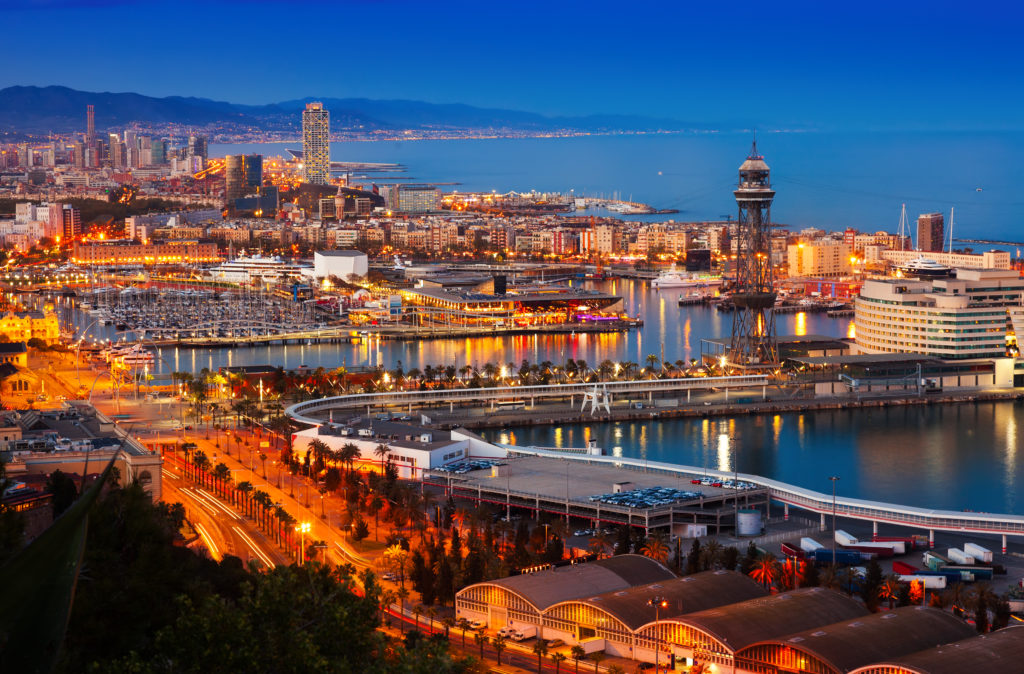
Barcelona is one of Europe’s most visually striking cities. Its identity is deeply shaped by Catalan culture and the extraordinary work of architect Antoni Gaudí. The Sagrada Família, still under construction after more than a century, is not just a church but a symbol of Barcelona itself. Park Güell, Casa Batlló, and Casa Milà further showcase Gaudí’s imaginative vision.
Beyond architecture, Barcelona offers a rare balance between urban life and nature. The city stretches from the hills of Montjuïc to sandy Mediterranean beaches. The Gothic Quarter preserves narrow medieval streets, while districts like El Born and Gràcia feel artistic and local. Barcelona’s food scene is equally diverse, blending traditional Catalan dishes with modern culinary innovation.
Seville – Andalusian Tradition and Emotional Depth
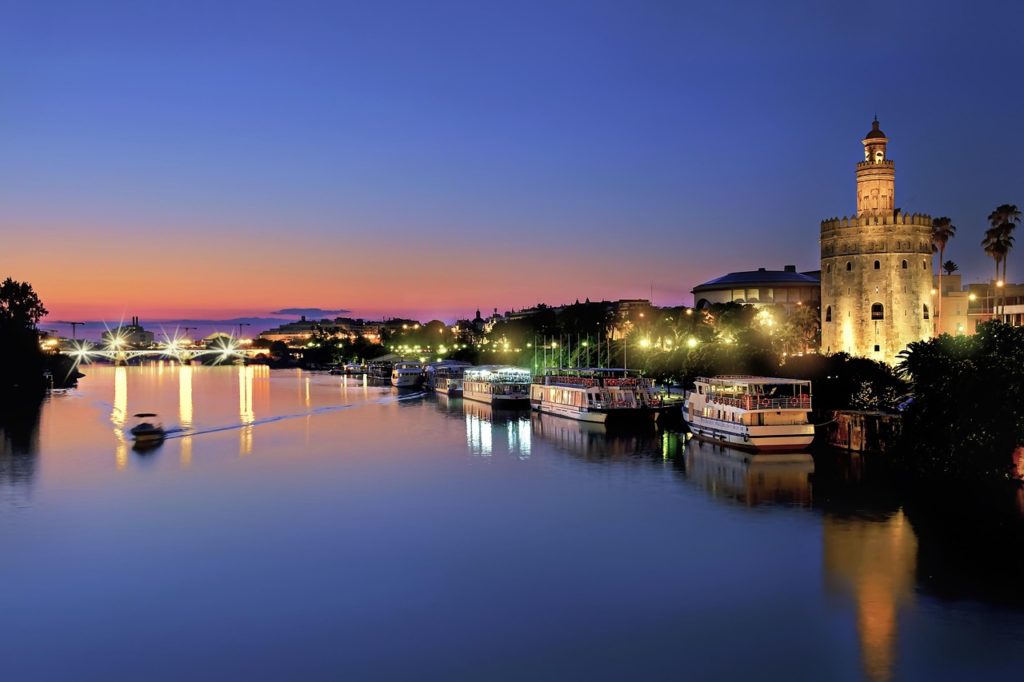
Seville is often described as the most “Spanish” of Spanish cities, and while that is debatable, its emotional impact is undeniable. The city reflects centuries of Roman, Islamic, Jewish, and Christian influence. The Seville Cathedral, one of the largest Gothic cathedrals in the world, stands next to the Giralda, a former minaret turned bell tower. Nearby, the Alcázar palace is a stunning example of Mudéjar architecture, blending Islamic design with Christian symbolism.
Seville is also the spiritual home of flamenco. In neighborhoods like Triana, music, dance, and singing feel less like performances and more like expressions of daily life. The city becomes especially intense during Semana Santa and Feria de Abril, when tradition, religion, and celebration merge into unforgettable public events.
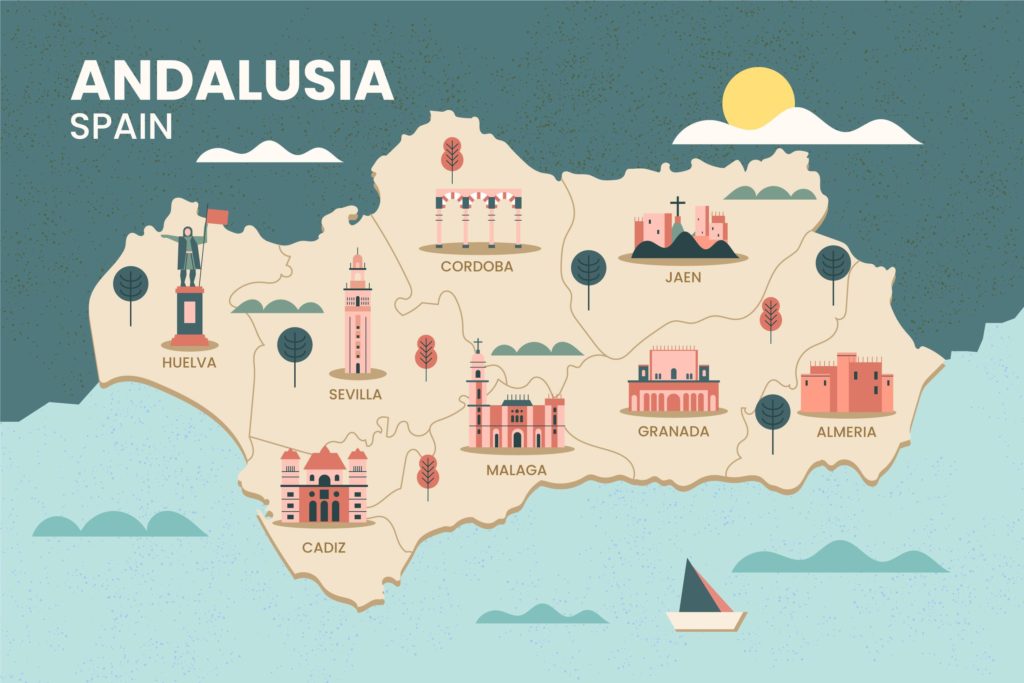
Andalusia: The Historical Crossroads of Spain
Granada – The Alhambra and Layers of History
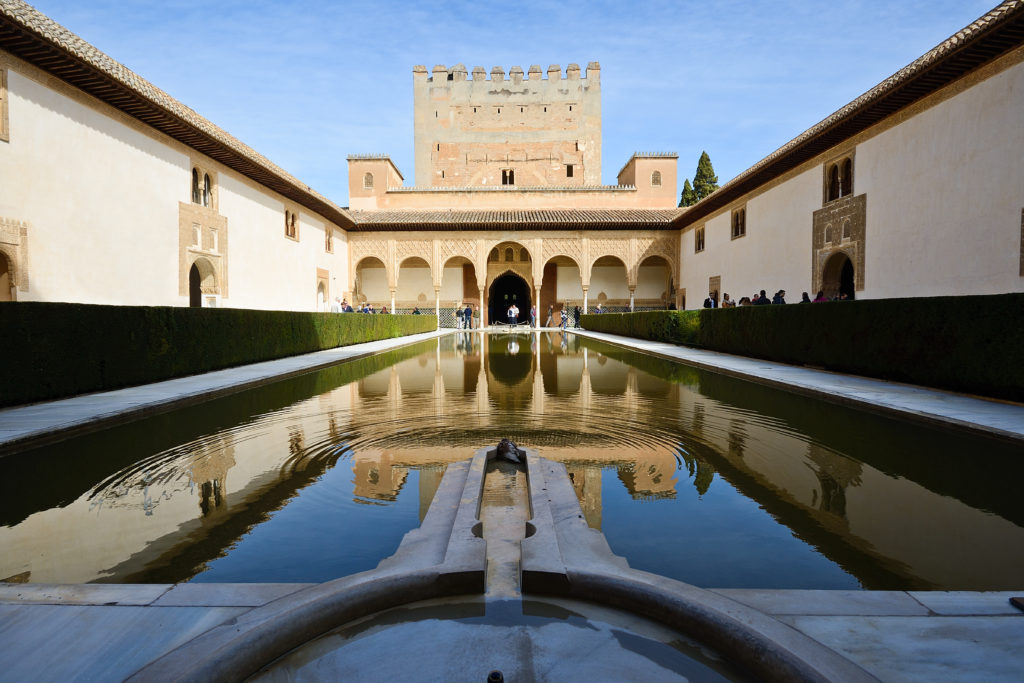
Granada is synonymous with the Alhambra, one of Europe’s most extraordinary monuments. This palace-fortress complex, built by the Nasrid dynasty, represents the peak of Islamic art and architecture in medieval Spain. Its courtyards, fountains, and intricate decorations feel almost unreal, especially with the Sierra Nevada mountains in the background.
Yet Granada is more than the Alhambra. The Albaicín district, with its narrow streets and white houses, offers panoramic views and a sense of continuity with the city’s Moorish past. Granada is also known for its tapas culture, where food is often served free with drinks, creating a social and welcoming atmosphere.
Córdoba – A City of Tolerance and Contrast
Córdoba was once one of the most important cities in the medieval world. Its Mezquita-Cathedral is a unique structure, where a Christian cathedral was built directly inside a former mosque. The result is one of the most striking religious buildings anywhere in Europe.
The old Jewish Quarter, with its quiet courtyards and flower-filled patios, reveals a more intimate side of the city. Córdoba is best visited slowly, especially in spring, when the patios festival brings private courtyards to life with color and scent.
Spain’s Northern Regions: Green Landscapes and Distinct Identity
The Basque Country – Culture, Cuisine, and Coastline
The Basque Country feels different from the rest of Spain, linguistically, culturally, and historically. Bilbao has transformed itself from an industrial city into a cultural destination, largely thanks to the Guggenheim Museum. This striking modern building contrasts with the city’s traditional old town, where small bars serve pintxos – the Basque version of tapas.
San Sebastián, located on a beautiful bay, is known for its beaches and exceptional cuisine. The city has one of the highest concentrations of Michelin-starred restaurants in the world, yet its food culture remains accessible and deeply rooted in tradition.
Galicia – Atlantic Spain and Ancient Paths
Galicia, in northwestern Spain, is defined by its Atlantic coastline, green hills, and Celtic influences. Santiago de Compostela is the destination of the Camino de Santiago, one of Europe’s most famous pilgrimage routes. The city’s cathedral marks the symbolic end of a journey that many people undertake for spiritual, personal, or cultural reasons.
Galicia’s coast, known as the Rías, offers dramatic scenery, seafood-focused cuisine, and fishing villages that feel far removed from mass tourism. The region’s slower pace and misty landscapes give it a unique, almost mystical character.
Spain’s Islands: From Volcanic Landscapes to Mediterranean Calm
The Balearic Islands – Beaches and Beyond
The Balearic Islands, including Mallorca, Menorca, and Ibiza, are often associated with summer tourism, but each island has its own personality. Mallorca combines mountain landscapes, historic towns like Sóller, and long sandy beaches. Menorca is quieter, known for its preserved nature and relaxed atmosphere.
Ibiza, famous for nightlife, also has a peaceful side. Inland villages, hidden coves, and traditional markets reveal an island that balances celebration with serenity.
The Canary Islands – A World Apart
Located off the coast of Africa, the Canary Islands offer a completely different experience from mainland Spain. Volcanic landscapes dominate islands like Lanzarote and Tenerife, where black sand beaches and dramatic cliffs create otherworldly scenery.
Thanks to their mild climate, the Canary Islands are worth visiting year-round. Hiking, whale watching, and exploring lava fields add depth beyond the beach resorts.
Small Towns and Hidden Gems
Toledo – The City of Three Cultures
Just outside Madrid, Toledo offers a condensed version of Spain’s complex history. Known as the city of Christians, Muslims, and Jews, Toledo preserves monuments from all three traditions within its medieval walls. The city’s position above the Tagus River adds to its dramatic appearance.
Toledo is ideal for travelers interested in history, craftsmanship, and architecture. Its compact size makes it perfect for slow exploration.
Ronda – Drama in the Andalusian Mountains
Ronda is famous for its location atop a deep gorge, connected by a dramatic stone bridge. The views alone make it worth visiting, but the town also holds cultural significance as one of the birthplaces of modern bullfighting.
Ronda’s white buildings, quiet streets, and surrounding countryside offer a calmer alternative to Andalusia’s larger cities.
Cadaqués – Artistic Inspiration by the Sea
On the northeastern coast, near the French border, Cadaqués is a small fishing town with strong artistic connections. Salvador Dalí lived nearby, and the surrounding landscape clearly influenced his work. White houses, rocky shores, and clear water give the town a timeless feel.
Spanish Cuisine: A Journey Through Flavors
Regional Diversity on the Plate
Spanish cuisine is deeply regional. In Valencia, paella reflects the importance of rice and local ingredients. In Andalusia, gazpacho and fried fish suit the hot climate. In the north, stews and seafood dominate, while central Spain focuses on roasted meats and simple flavors.
Food in Spain is social. Meals are long, shared, and often spontaneous. Visiting markets, local bars, and family-run restaurants reveals more about Spanish culture than any museum.

Wine and Culinary Traditions
Spain is one of the world’s great wine producers. Regions like Rioja, Ribera del Duero, Priorat, and Jerez offer distinct styles shaped by geography and history. Visiting vineyards and small bodegas adds another layer to understanding Spain’s relationship with land and tradition.
Festivals, Traditions, and Daily Life
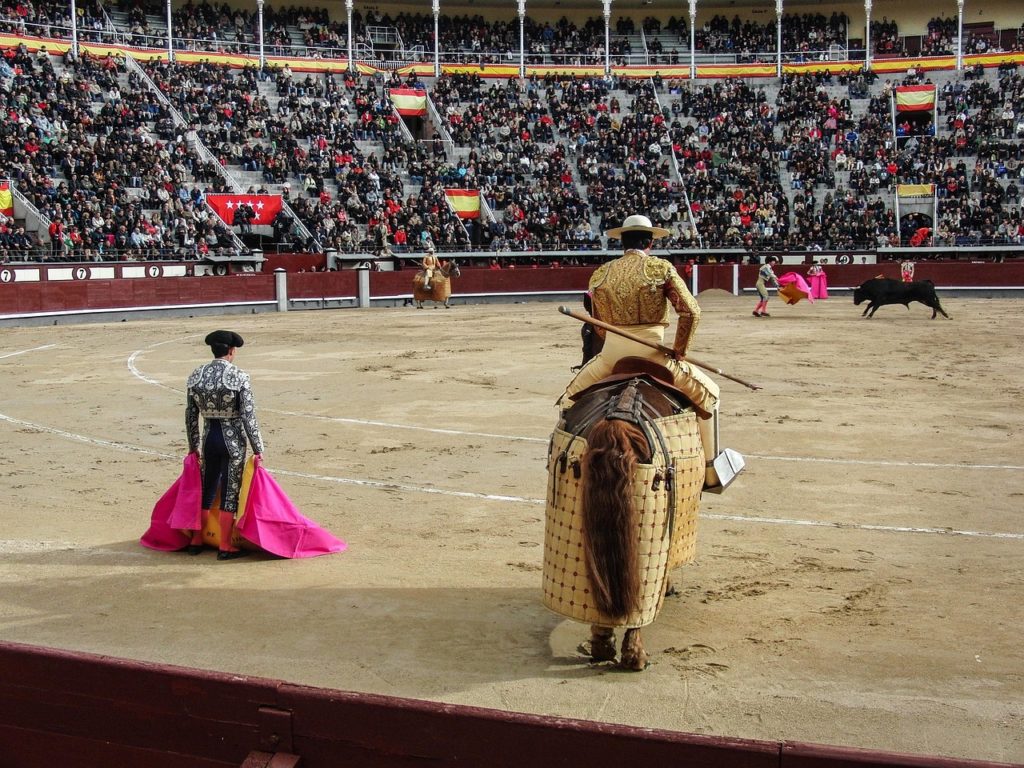
Spain’s calendar is full of festivals that reveal local identity. From Las Fallas in Valencia to San Fermín in Pamplona, these events are not staged for tourists but deeply rooted in community life. Religious processions, local fairs, and seasonal celebrations create moments when history feels alive.
Equally important is everyday life. The late dinners, afternoon strolls, and emphasis on social connection shape the Spanish experience. Understanding this rhythm helps visitors connect more deeply with the country.
Why Spain Is Truly Worth Visiting
Spain’s value as a travel destination lies in its richness and contrasts. It offers world-class art and humble village life, dramatic landscapes and relaxed coastlines, deep tradition and bold modern creativity. Few countries allow travelers to move so easily between such different experiences.
Spain does not demand that visitors rush. It rewards those who slow down, listen, taste, and observe. Whether you are drawn by history, food, nature, or human connection, Spain offers not just places to see, but ways of living to understand. That is what ultimately makes it worth visiting.